News · 26 October, 2026
For many years, textile recycling was often viewed as a process at the end of a product’s life cycle: used clothing was collected, sorted, and then turned into cleaning rags, filling materials, or recycled fibers. This approach remains valuable, but it is no longer sufficient to address the industry’s growing challenges. As requirements for traceability,
Read more →
Scrap · 26 October, 2026
For many years, textile recycling was often viewed as a process at the end of a product’s life cycle: used clothing was collected, sorted, and then turned into cleaning rags, filling materials, or recycled fibers. This approach remains valuable, but it is no longer sufficient to address the industry’s growing challenges. As requirements for traceability,
Read more →
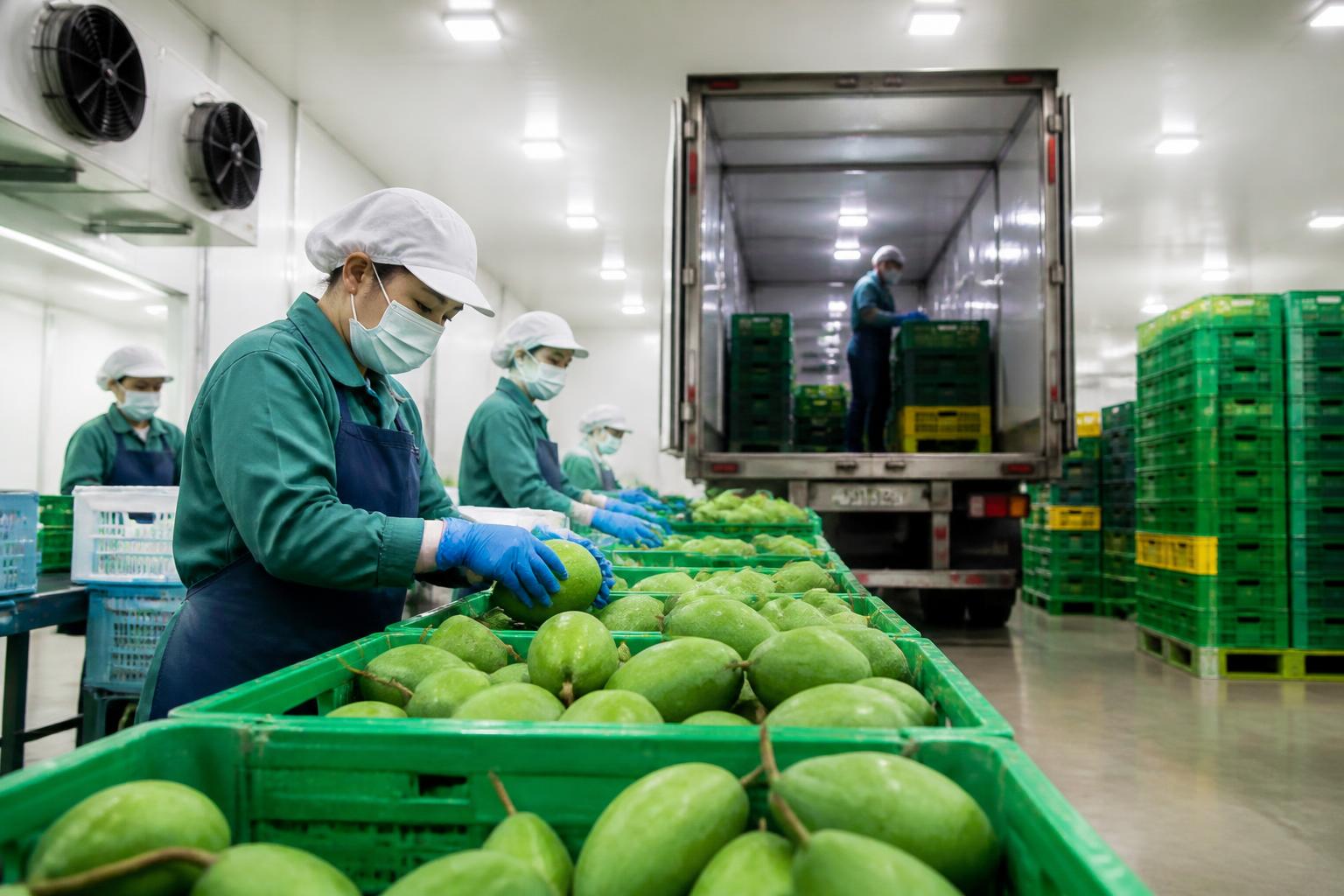
Agricultural · 26 October, 2026
For many years, textile recycling was often viewed as a process at the end of a product’s life cycle: used clothing was collected, sorted, and then turned into cleaning rags, filling materials, or recycled fibers. This approach remains valuable, but it is no longer sufficient to address the industry’s growing challenges. As requirements for traceability,
Read more →
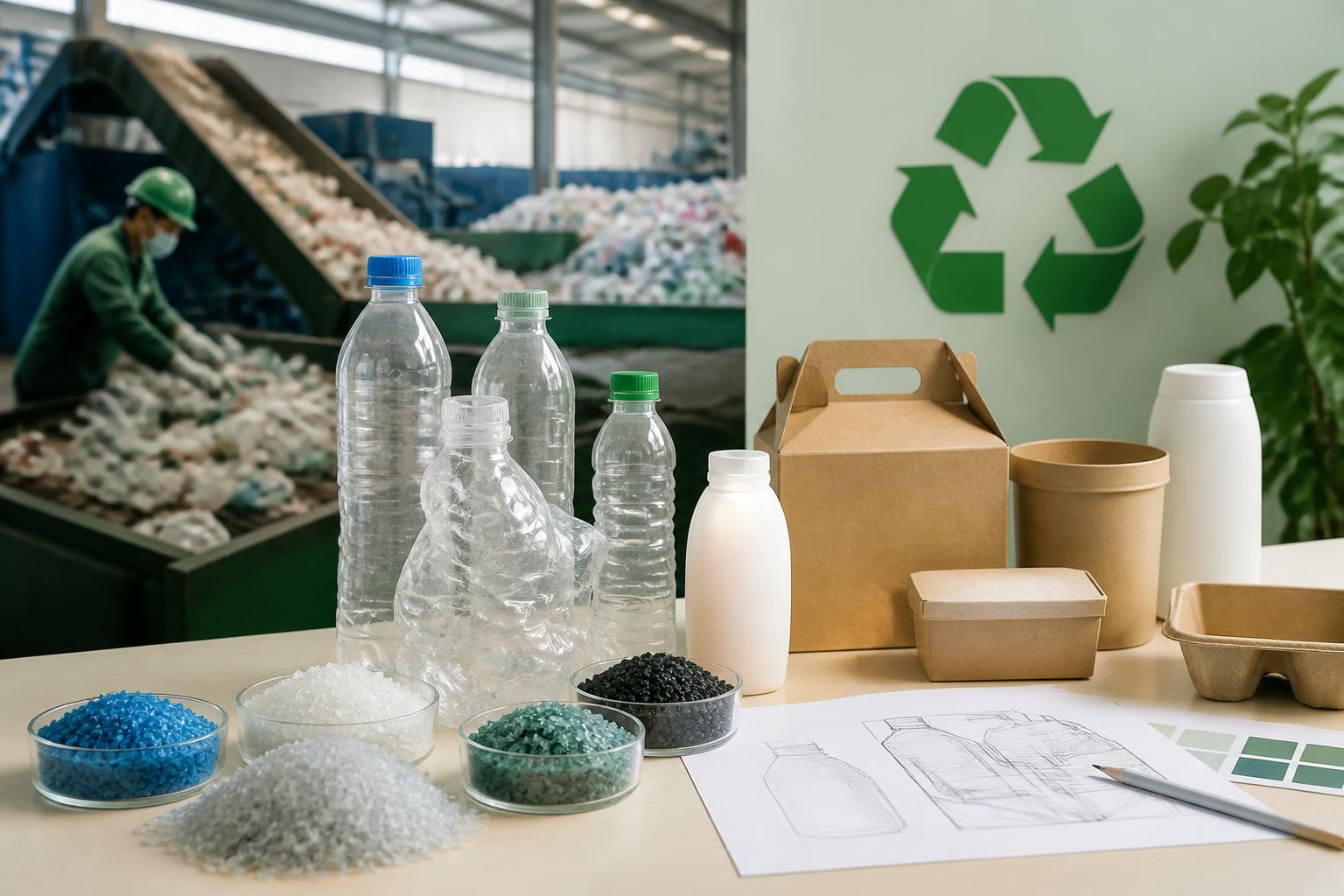
Plastic · 26 October, 2026
For many years, textile recycling was often viewed as a process at the end of a product’s life cycle: used clothing was collected, sorted, and then turned into cleaning rags, filling materials, or recycled fibers. This approach remains valuable, but it is no longer sufficient to address the industry’s growing challenges. As requirements for traceability,
Read more →
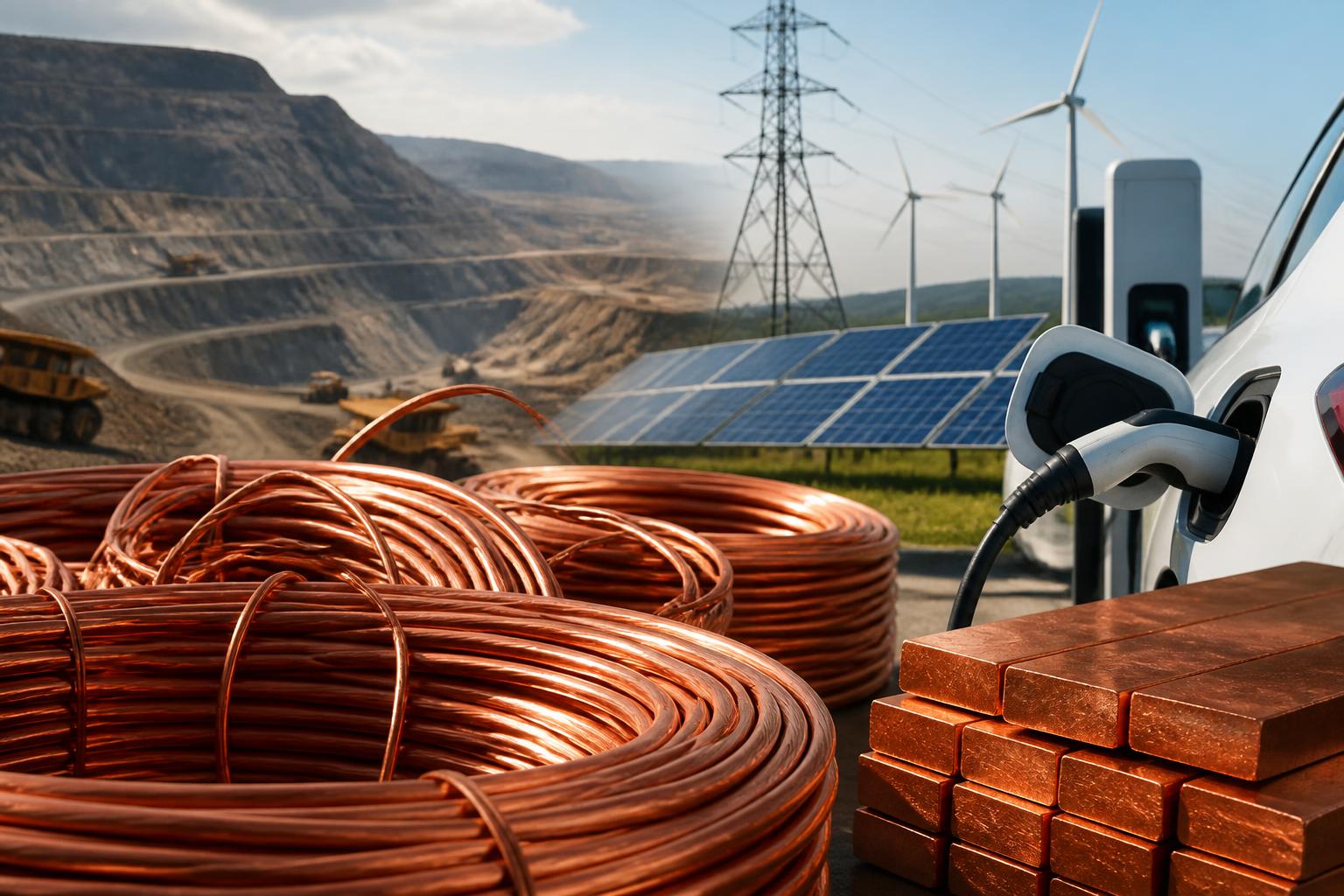
Metal · 26 October, 2026
For many years, textile recycling was often viewed as a process at the end of a product’s life cycle: used clothing was collected, sorted, and then turned into cleaning rags, filling materials, or recycled fibers. This approach remains valuable, but it is no longer sufficient to address the industry’s growing challenges. As requirements for traceability,
Read more →
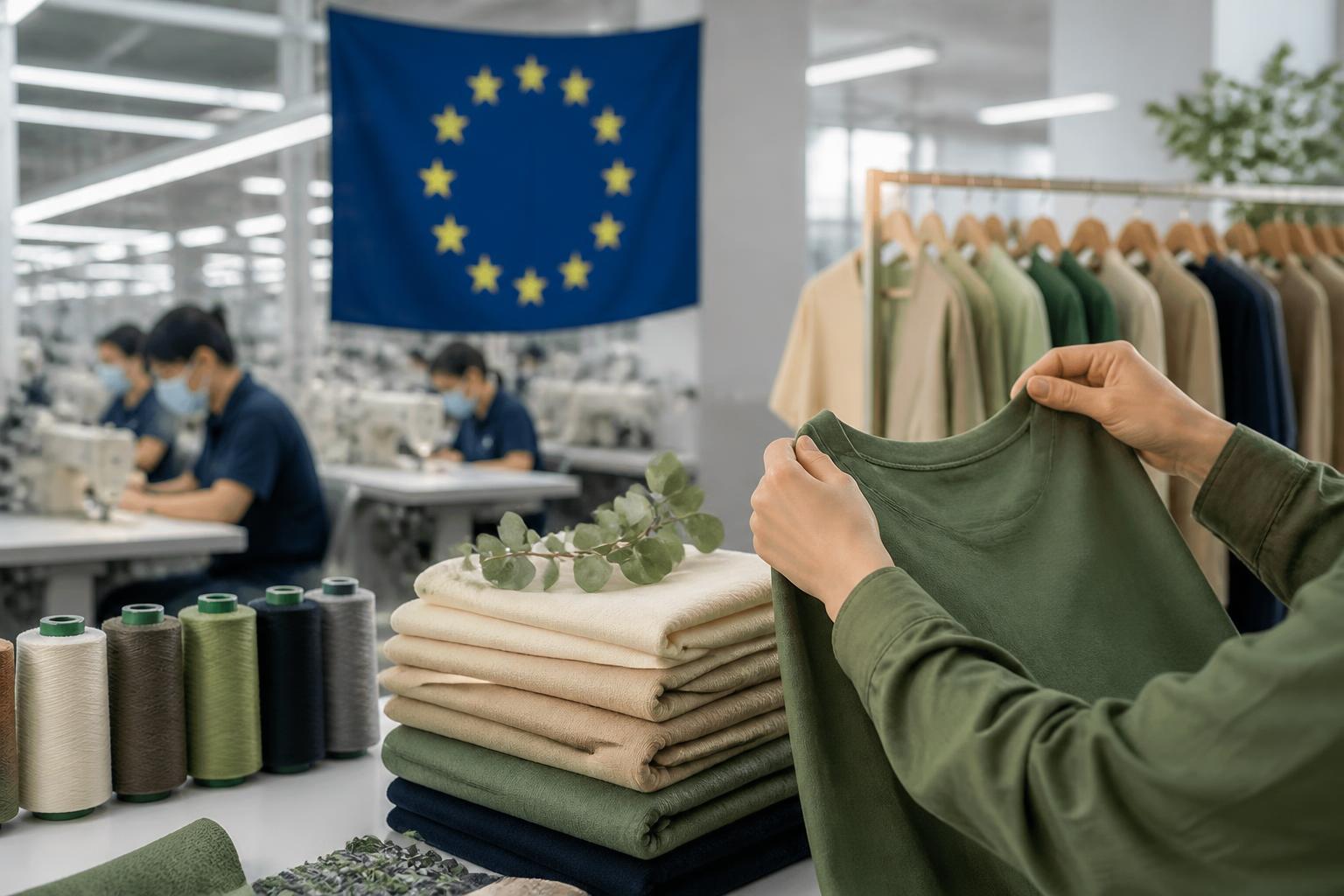
Textile · 26 October, 2026
For many years, textile recycling was often viewed as a process at the end of a product’s life cycle: used clothing was collected, sorted, and then turned into cleaning rags, filling materials, or recycled fibers. This approach remains valuable, but it is no longer sufficient to address the industry’s growing challenges. As requirements for traceability,
Read more →