Textile · 29 October, 2026
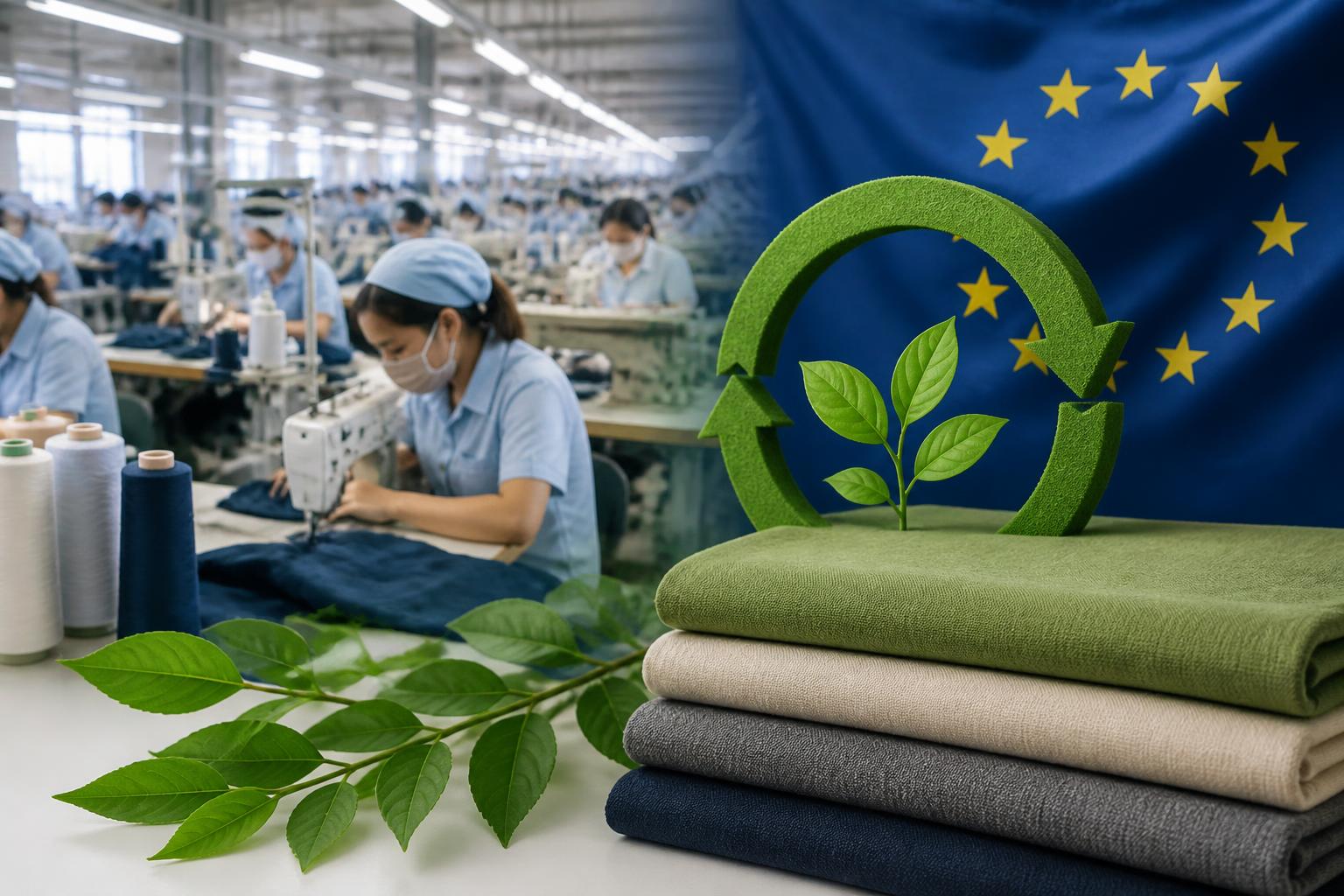
For many years, environmental requirements in the textile industry were often viewed as an additional set of criteria for production activities. That approach is changing. In Europe, new regulations are shifting the focus from encouraging businesses to voluntarily disclose their sustainability efforts to requiring products to be designed, manufactured and placed on the market with
Read more →
Textile · 29 October, 2026
The textile industry is facing a transformation that goes beyond recycled materials or the collection of used clothing. The circular economy is increasingly affecting the entire product life cycle, from how businesses select fibers, design products, dye and finish fabrics, and organize production to how they provide information after goods are sold. What is notable
Read more →
News · 28 October, 2026
For many years, green production in the textile and garment industry was often viewed through readily identifiable investments such as wastewater treatment systems, energy-efficient equipment, or the use of electricity from renewable sources. However, new European Union regulations are expanding the scope of the game. Energy consumption at factories remains important, but it is no
Read more →
News · 28 October, 2026
For many years, traceability in the textile industry has focused mainly on identifying raw material suppliers, production facilities, and commercial documentation. This approach is changing as major markets move from requiring individual declarations to managing data throughout the product life cycle. One policy that could have a significant impact is the European Union’s Ecodesign for
Read more →
Scrap · 28 October, 2026
For many years, green production in the textile and garment industry was often viewed through readily identifiable investments such as wastewater treatment systems, energy-efficient equipment, or the use of electricity from renewable sources. However, new European Union regulations are expanding the scope of the game. Energy consumption at factories remains important, but it is no
Read more →
Scrap · 28 October, 2026
For many years, traceability in the textile industry has focused mainly on identifying raw material suppliers, production facilities, and commercial documentation. This approach is changing as major markets move from requiring individual declarations to managing data throughout the product life cycle. One policy that could have a significant impact is the European Union’s Ecodesign for
Read more →