Textile · 12 November, 2026
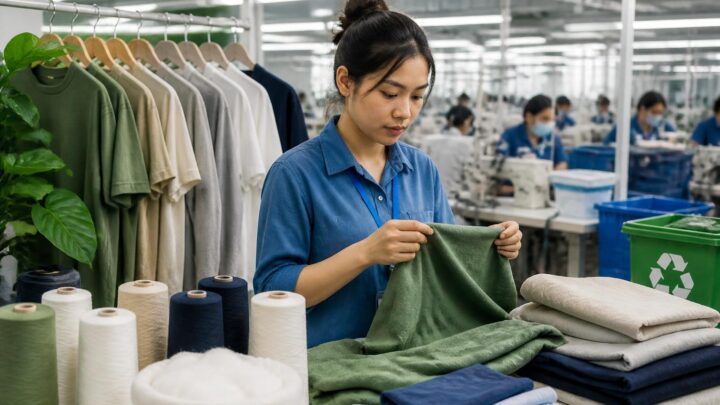
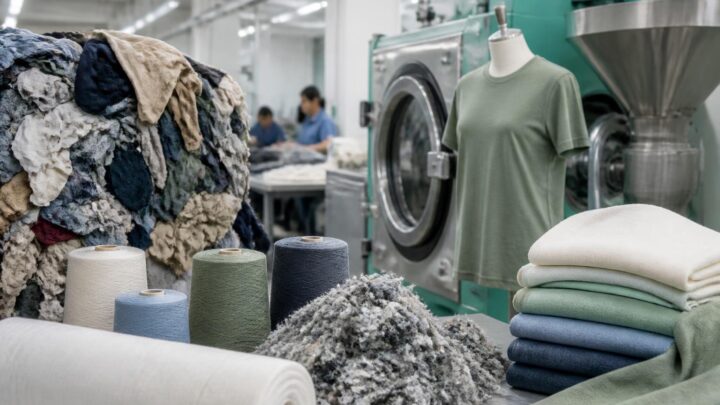
The textile industry is entering a phase in which production capacity and labor costs are no longer the only factors determining competitiveness. How companies use materials, design products, manage chemicals, handle waste, and provide data to customers is increasingly having a direct impact on their ability to retain orders. This trend stems from two main
Read more →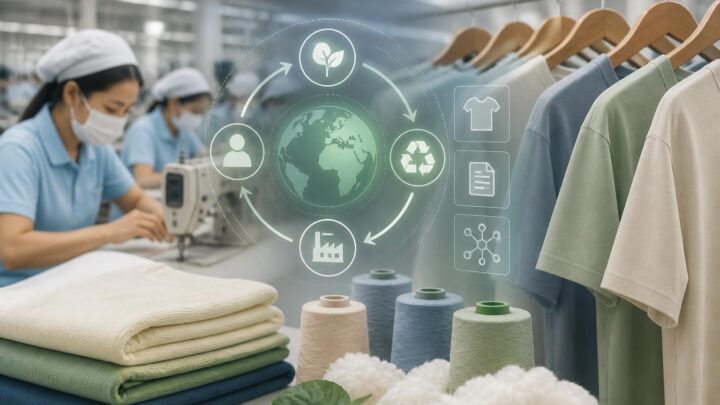
Textile · 11 November, 2026
Vietnam’s textile and apparel industry is preparing for a change that goes beyond tariffs or rules of origin. In the European Union (EU) market, product criteria are increasingly expanding to cover durability, repairability, recycled content, supply chain information, and how products are handled after reaching the end of their life cycle. At the center of
Read more →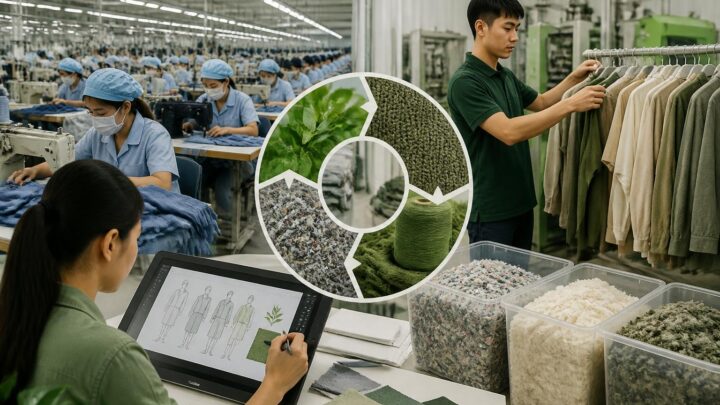
Textile · 11 November, 2026
Vietnam’s textile and garment industry is facing an important shift in the way it approaches the market. Whereas competitiveness was previously assessed mainly through cost, delivery time and the ability to fulfill large orders, criteria related to sustainable design, raw material sources, energy consumption, traceability and the treatment of products after use are playing an
Read more →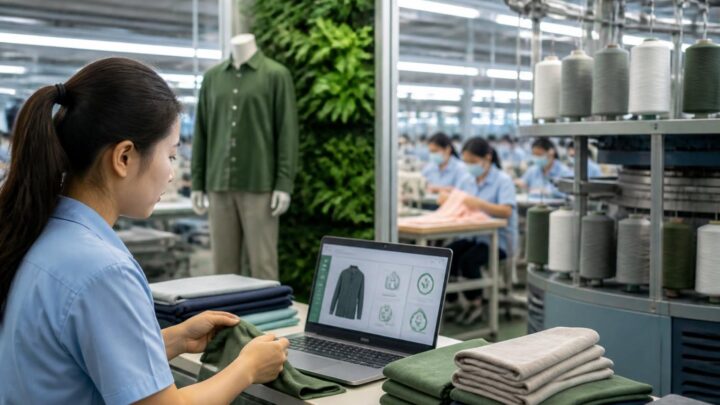
Textile · 11 November, 2026
For many years, environmental requirements for exported textiles have focused primarily on chemicals, wastewater, energy and social responsibility. However, the European market is expanding its approach from the production stage to the entire product life cycle. Durability, repairability, recycled material content, reusability and supply chain information are increasingly becoming factors that can influence how a
Read more →
Textile · 10 November, 2026
The textile industry is entering a period in which production capacity, cost and delivery time are no longer the only criteria determining competitiveness. For businesses exporting to Europe, information about materials, production processes, product durability and post-use treatment options is increasingly shaping relationships with customers. This change is being driven by the European Union’s policy
Read more →
Textile · 10 November, 2026
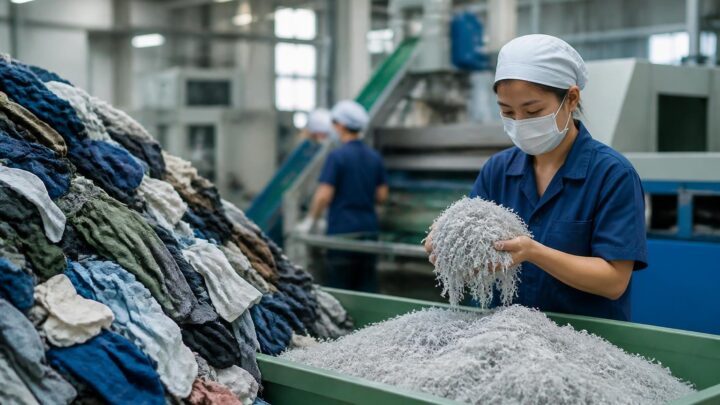
For many years, textile recycling in Vietnam was mainly viewed as a waste treatment activity or a corporate social responsibility initiative. That approach is changing. As international brands require suppliers to better control raw materials, chemicals, water, energy and product end-of-life, the ability to participate in a circular supply chain is gradually becoming a competitive
Read more →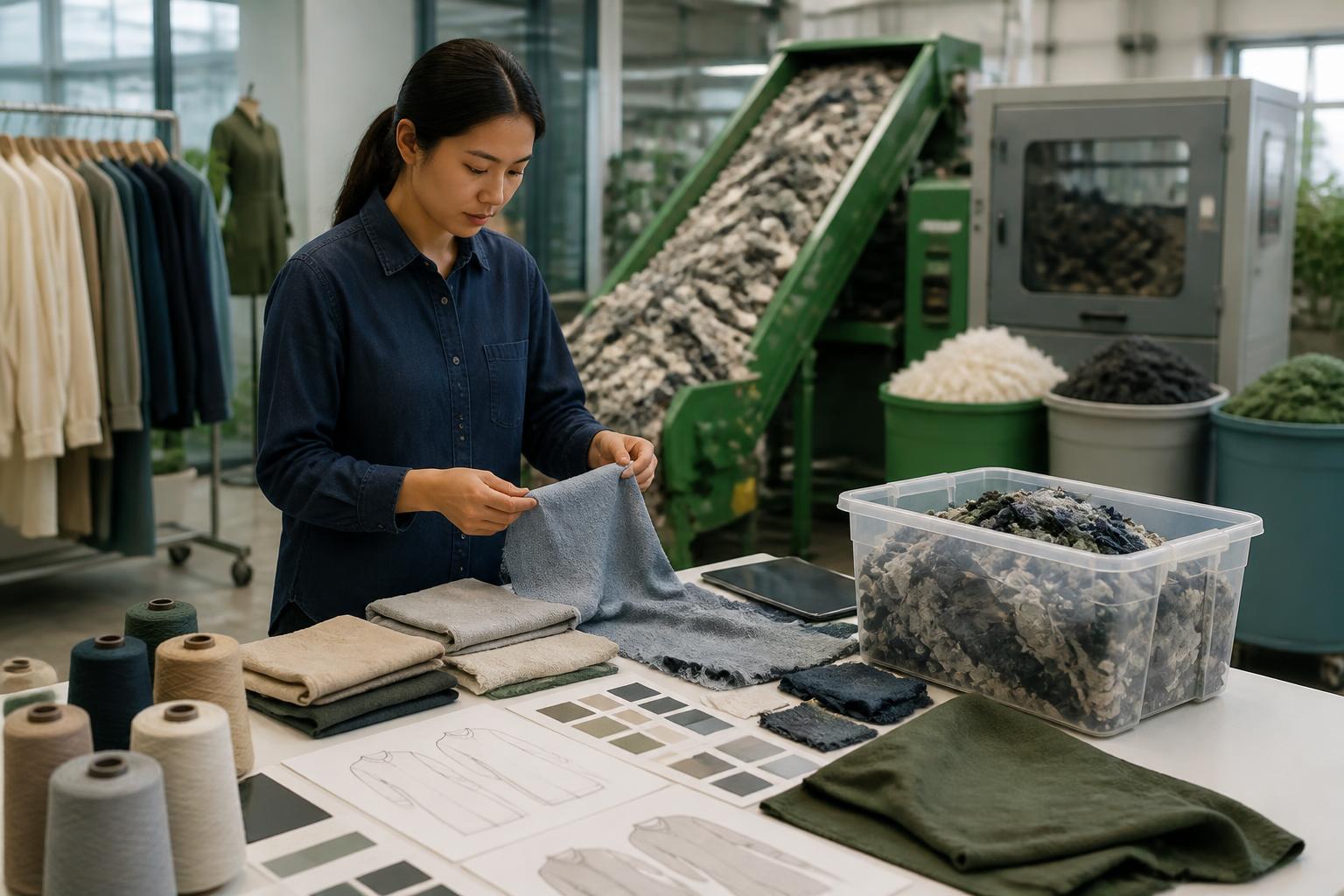
Textile · 9 November, 2026
For many years, recycling was often viewed as the final stage in the life cycle of a garment: clothing that was no longer being used would be collected, sorted, and then converted into raw materials for another product. However, this approach is gradually revealing its limitations. If a product is made from a blend of
Read more →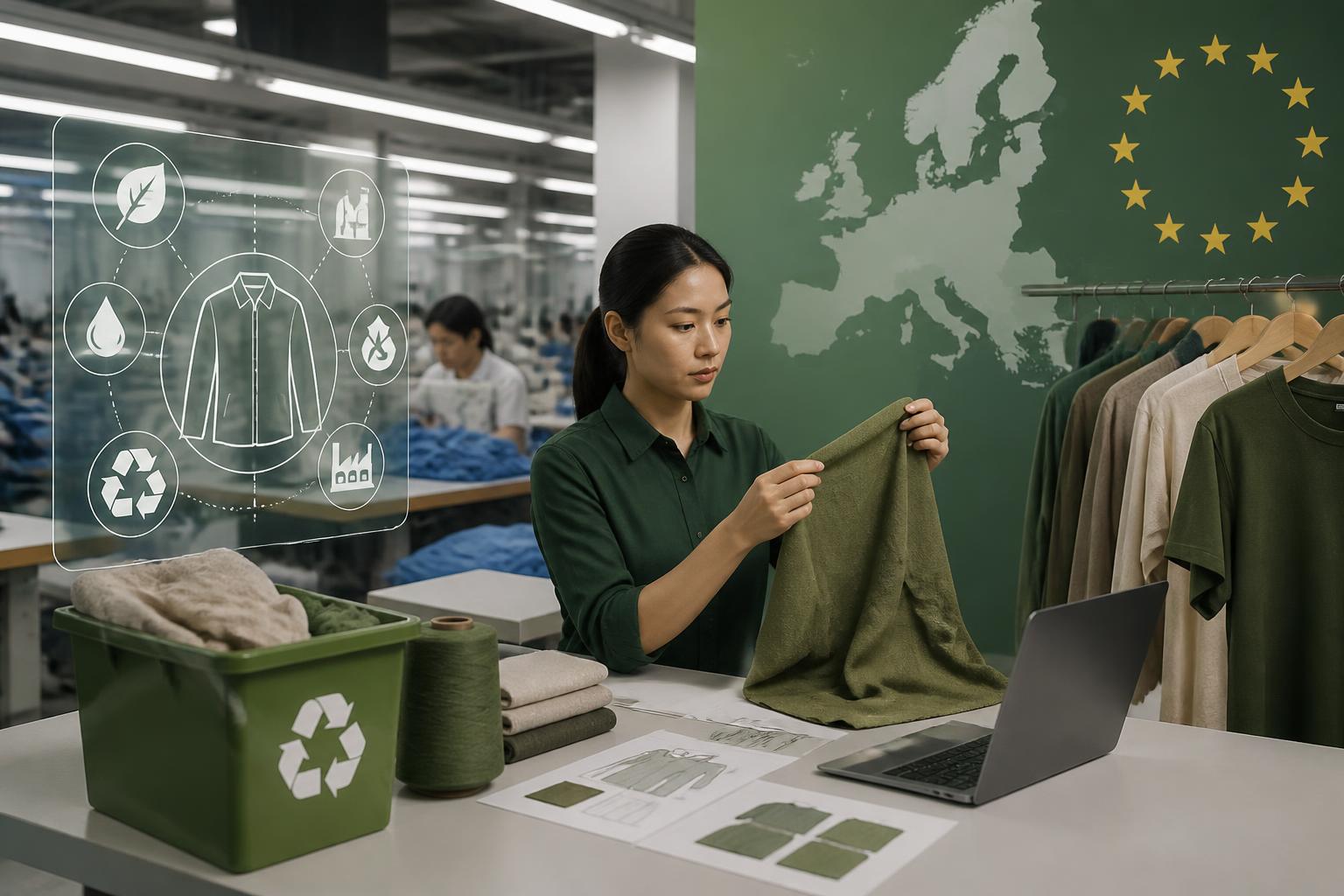
Textile · 9 November, 2026
The European textile and garment market is shifting from an approach focused on production to one that manages the entire product life cycle. A garment is no longer assessed only by its price, seam quality, or delivery time. Design, material composition, repairability, durability, supply chain information, and end-of-life treatment are increasingly becoming part of market
Read more →