Textile · 8 November, 2026
Vietnam’s textile and garment industry is facing a fundamental change in the way it approaches the European market. Environmental requirements are no longer focused only on wastewater treatment, energy use, or factory emissions reporting. With the new legal framework on ecodesign for sustainable products, factors such as durability, repairability, recycled material content, recyclability, and product
Read more →
Textile · 8 November, 2026
The European textile market is shifting from an approach based primarily on product standards to a model that controls the entire product life cycle. For Vietnamese businesses, this means environmental requirements no longer appear only at the final inspection stage. The source of raw materials, the amount of water and energy used, chemicals, product durability,
Read more →
Textile · 7 November, 2026
Europe’s textile market is moving from an approach focused solely on controlling finished products to managing the entire product life cycle. From design, material selection, energy consumption and chemical use to repairability, reuse and recyclability, an increasing number of requirements are being incorporated into the European Union’s (EU) policy framework. For Vietnamese businesses, this shift
Read more →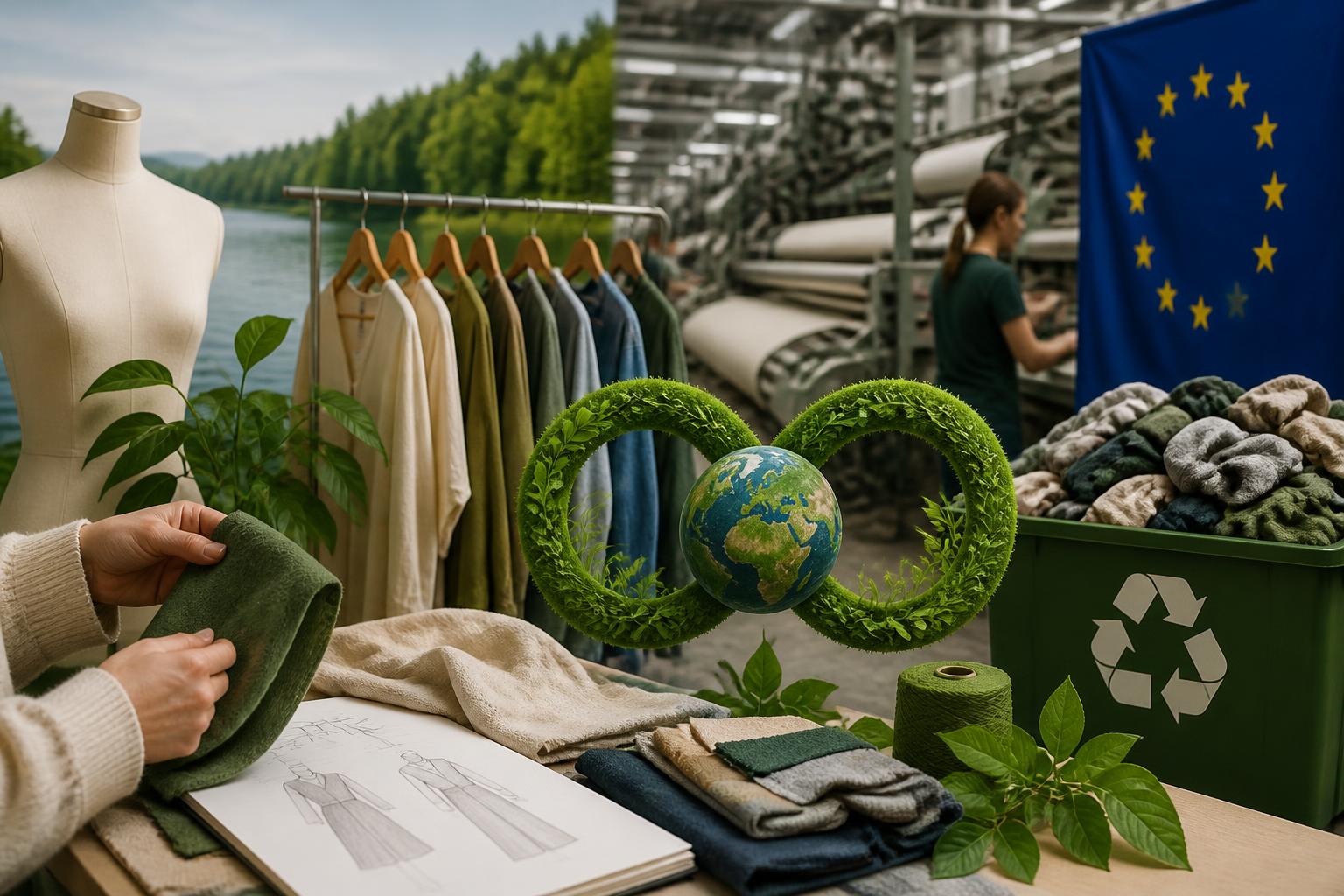
Textile · 7 November, 2026
The textile industry is entering a phase in which environmental requirements are no longer assessed only at the production stage. From design, material selection, chemical use and energy consumption to the treatment of products after they are discarded, every link in the chain is increasingly shaped by new regulations. The European Union (EU) is one
Read more →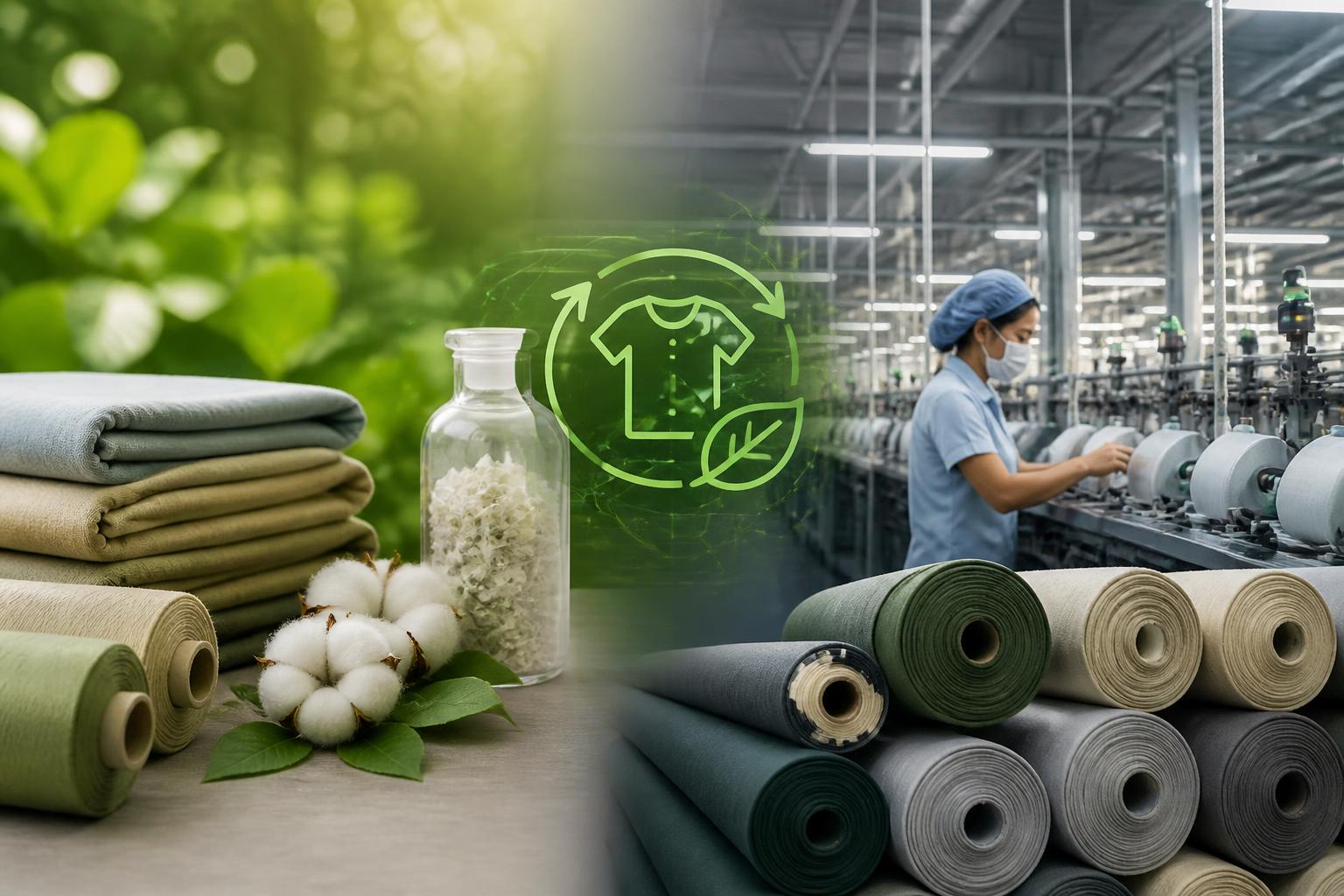
Textile · 6 November, 2026
Vietnam’s textile and garment industry is facing a change that concerns not only technical product standards, but also how businesses collect, manage and substantiate data throughout the entire lifecycle of goods. The European Union’s Ecodesign for Sustainable Products Regulation, commonly known as the ESPR, has created a new legal framework for incorporating durability, repairability, resource
Read more →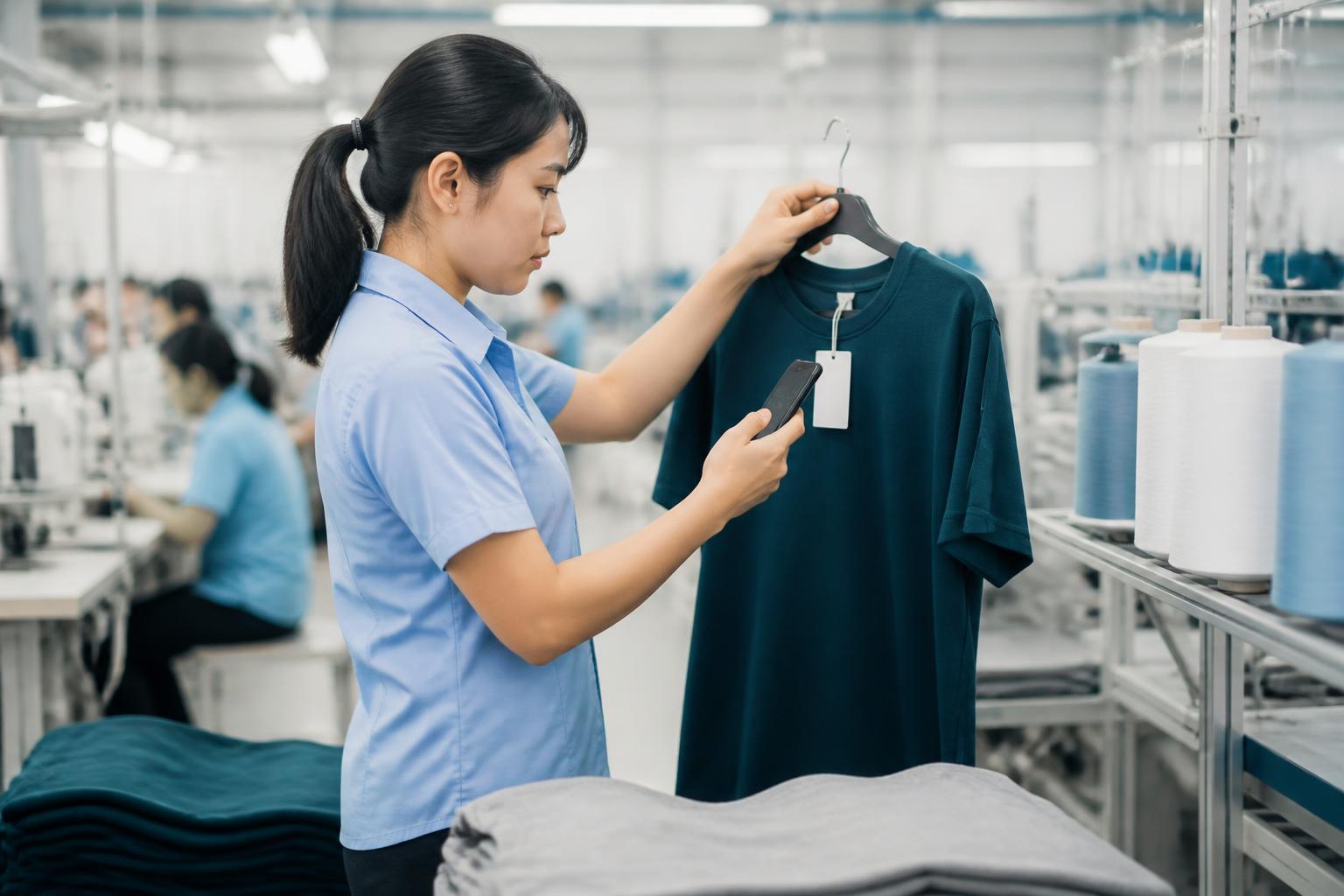
Textile · 6 November, 2026
For many years, traceability in the textile and garment industry was viewed primarily as a requirement for quality control, material certification, or the preparation of documentation for international customers. This approach is changing as major markets move from requiring companies to provide documents for each order toward building data systems that cover the entire product
Read more →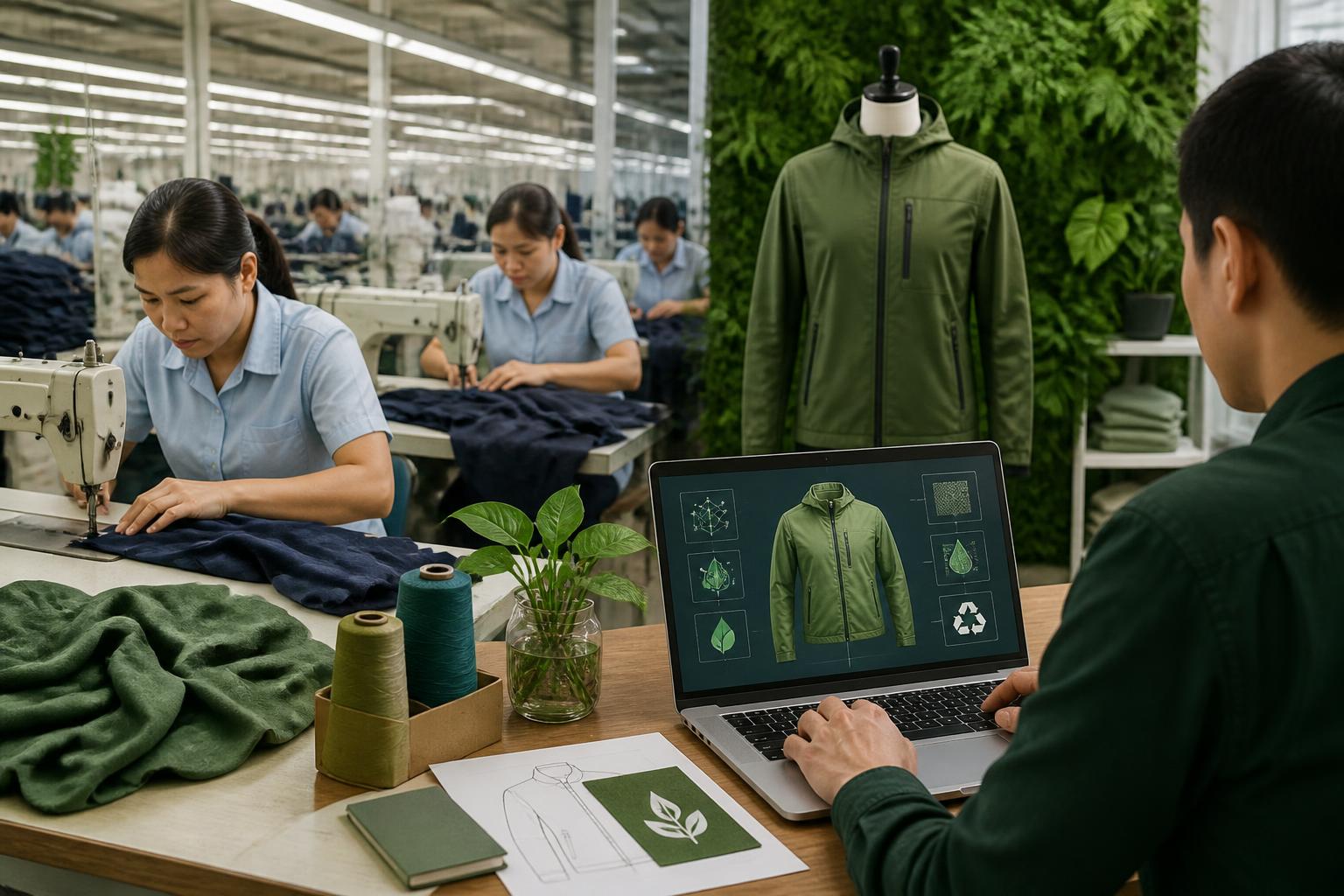
Textile · 5 November, 2026
For many years, green production requirements in the textiles and apparel industry have mainly been reflected in brand standards, chemical regulations, labor conditions and emissions-reduction targets. However, new regulatory approaches in Europe are taking these criteria further into the product itself: how an item is designed, how much material it uses, whether it can be
Read more →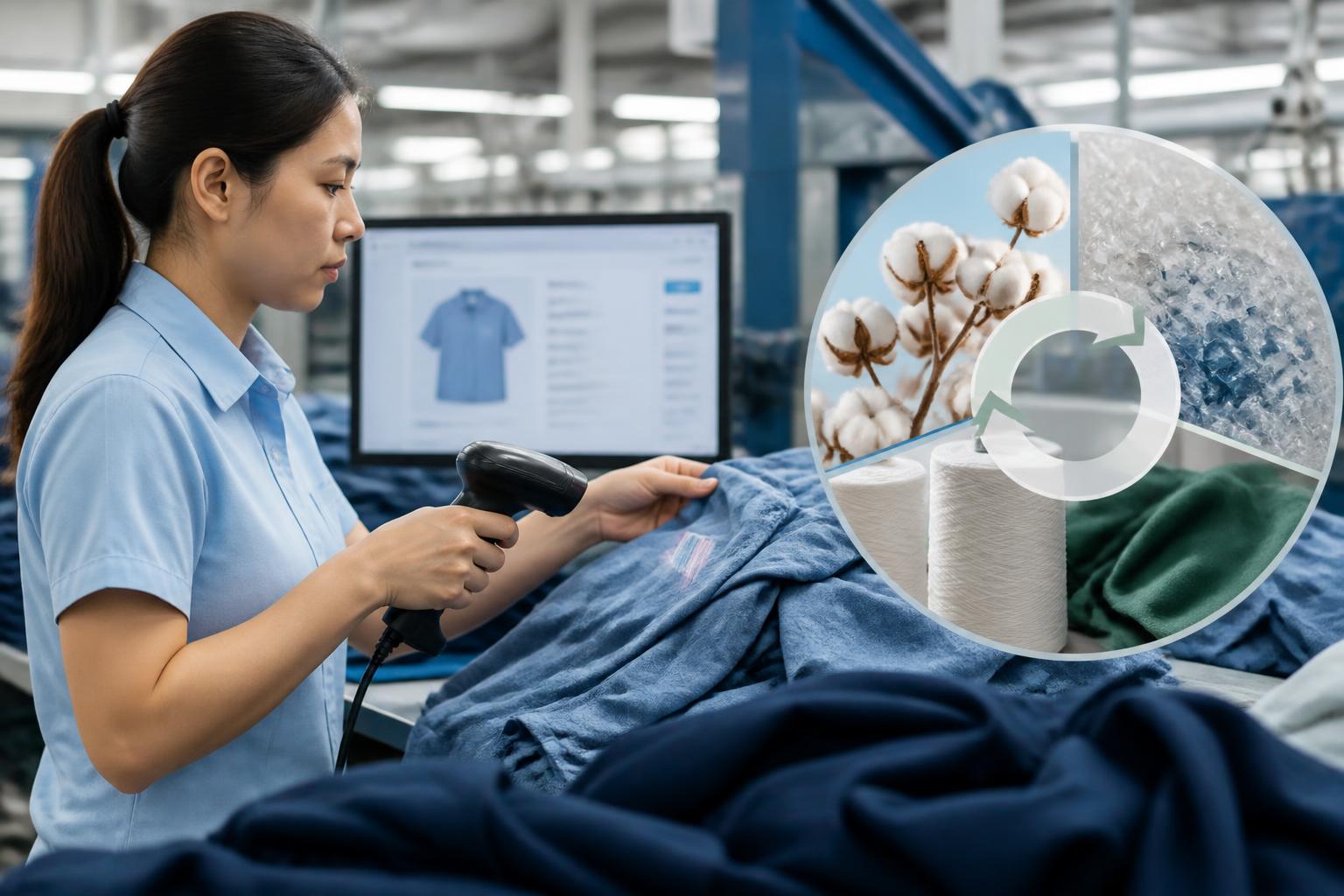
Textile · 5 November, 2026
Vietnam’s textile and garment industry is entering a period in which production capacity and cost are no longer the only criteria determining its ability to retain orders. In major markets, buyers are increasingly concerned with the origin of fibers, the proportion of recycled materials, water consumption, chemicals used during dyeing, and the ability to process
Read more →