Textile · 4 November, 2026
For many years, environmental requirements for textile and apparel enterprises have focused primarily on issues visible within factories: water consumption, chemicals, energy, wastewater treatment, and waste management. However, new regulations in Europe are expanding the scope of oversight to cover the entire product life cycle. For exporters, the question is no longer simply whether a
Read more →
Textile · 4 November, 2026
The textile industry exporting to Europe is entering a phase in which production capacity and cost are no longer the only two criteria determining competitiveness. How a product is designed, how materials are selected, how data is recorded, and how the product is handled after use are increasingly falling within the scope of regulation in
Read more →
Textile · 3 November, 2026
Textile supply chains exporting to the European Union are entering a phase in which information about a product may become almost as important as the product itself. In addition to requirements concerning quality, chemical safety and environmental responsibility, businesses will need to be better prepared to demonstrate what materials an item is made from, how
Read more →
Textile · 3 November, 2026
For many years, traceability was often viewed as a requirement for quality control or for completing export documentation. However, this approach is changing. In the textile industry, data on fibers, dyes, finishing processes, energy consumption, emissions and product life cycles is increasingly becoming part of the value of goods, rather than merely documentation stored behind
Read more →
Textile · 2 November, 2026
The export-oriented textile industry is facing an important change in the way it approaches the market: environmental requirements are no longer focused solely on production. Product durability, repairability, fiber composition, the use of recycled materials, supply chain information, and post-consumer treatment plans are increasingly becoming part of the product dossier. The European Union (EU) is
Read more →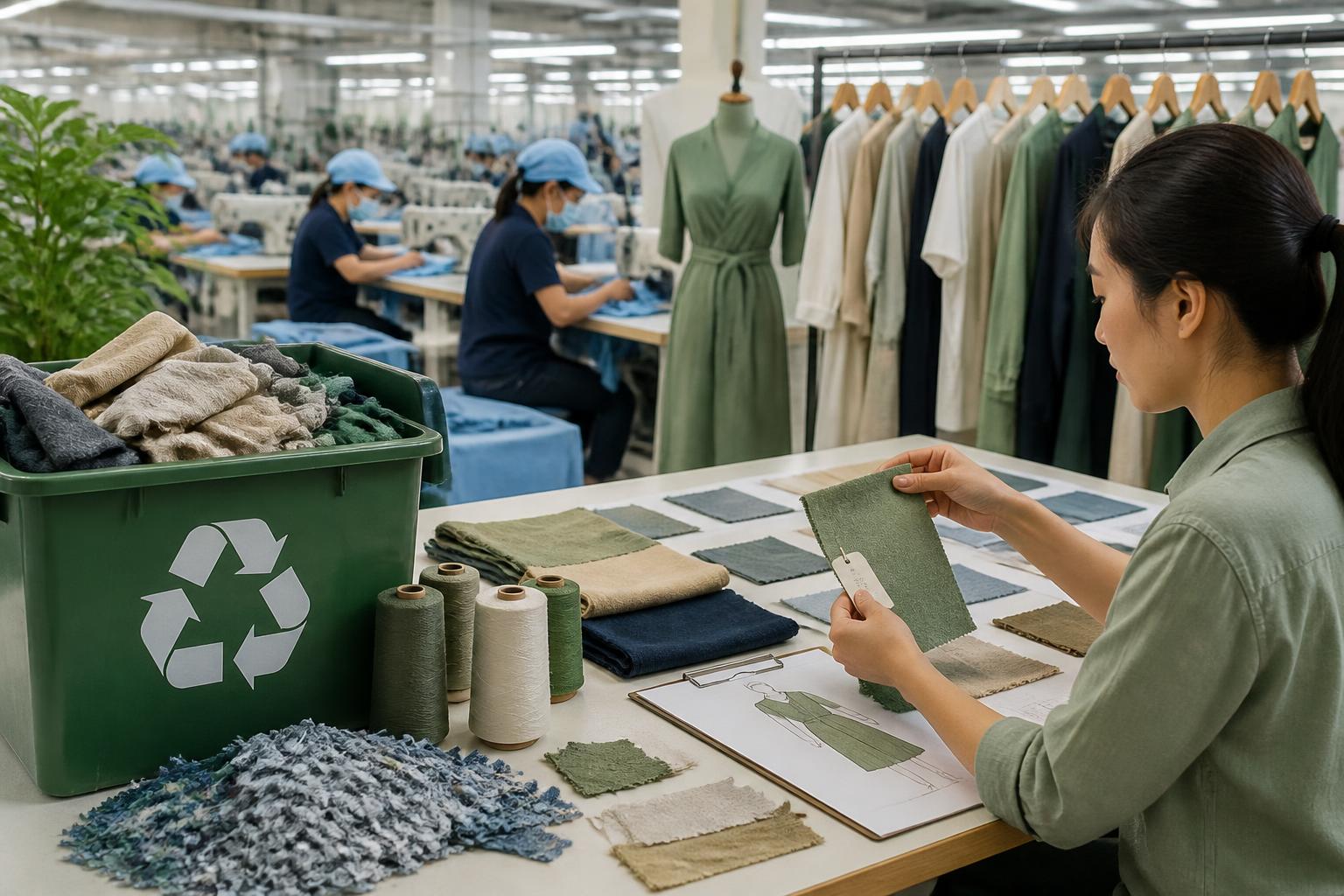
Textile · 2 November, 2026
Vietnam’s textile and garment industry is facing an important change in the way it approaches the market. Whereas competitiveness was previously assessed mainly through price, quality, delivery time and the ability to fulfill large orders, factors such as the origin of raw materials, energy consumption, repairability, reusability and the treatment of products after consumption are
Read more →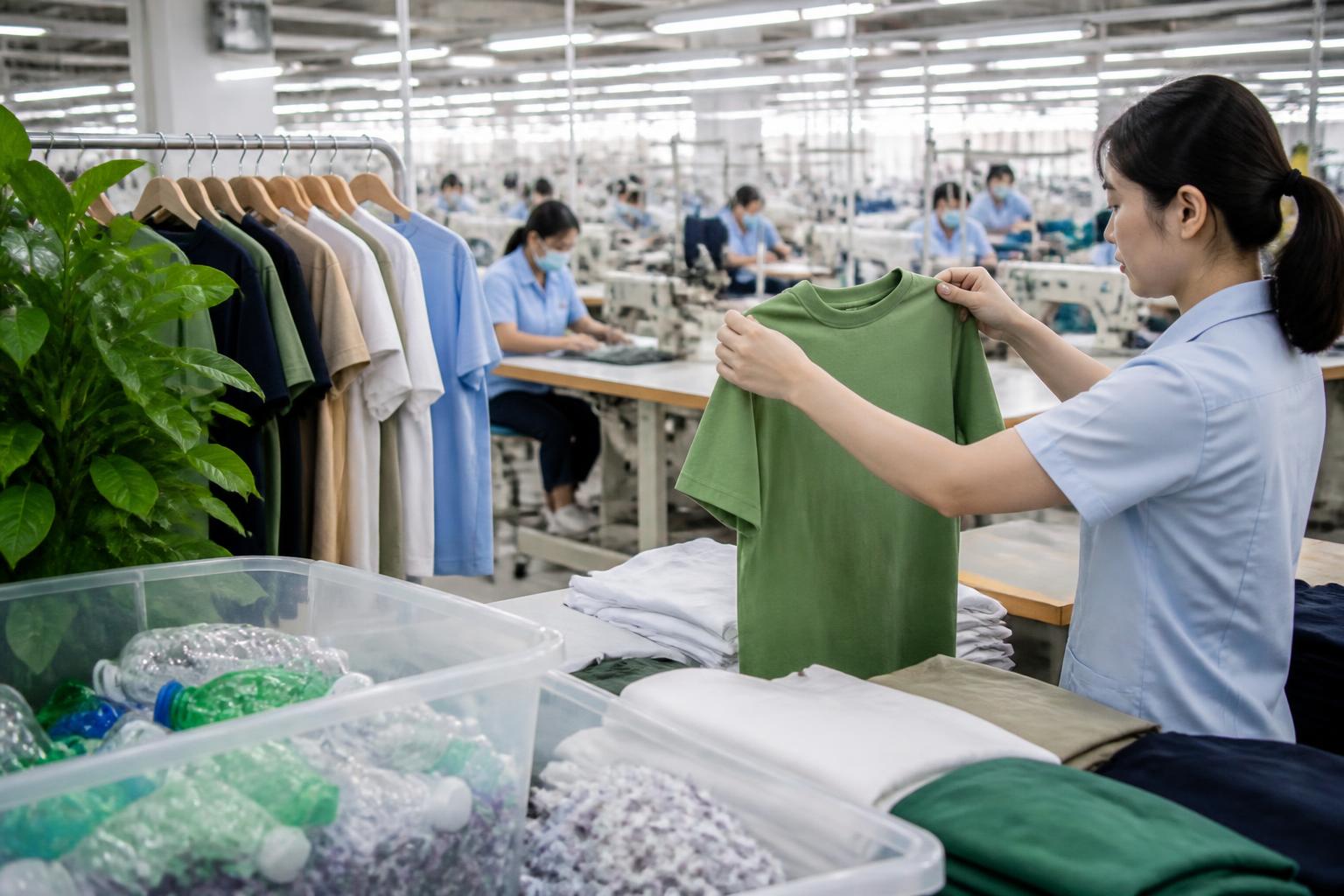
Textile · 1 November, 2026
Vietnam’s textile and garment industry is facing an important shift in how it approaches export markets. In addition to price, quality, delivery times and production capacity, requirements related to product durability, material sources, recyclability, emissions and supply chain data are being examined more closely. This shift is particularly evident in the European Union (EU), where
Read more →
Textile · 1 November, 2026
For many years, the competitiveness of textile and garment companies has generally been assessed through three main factors: cost, quality and delivery capability. These criteria remain important, but they are no longer sufficient to determine whether an order will be awarded. Customers are increasingly interested in the origin of materials, energy consumption, wastewater treatment methods,
Read more →