Agricultural · 10 November, 2026
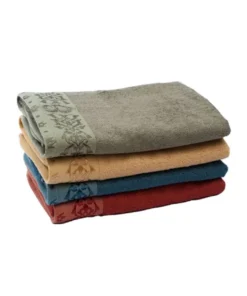
The textile industry is entering a period in which production capacity, cost and delivery time are no longer the only criteria determining competitiveness. For businesses exporting to Europe, information about materials, production processes, product durability and post-use treatment options is increasingly shaping relationships with customers. This change is being driven by the European Union’s policy
Read more →
Agricultural · 10 November, 2026
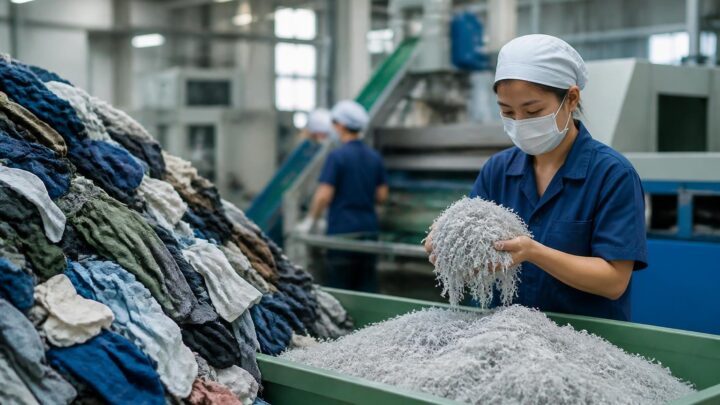
For many years, textile recycling in Vietnam was mainly viewed as a waste treatment activity or a corporate social responsibility initiative. That approach is changing. As international brands require suppliers to better control raw materials, chemicals, water, energy and product end-of-life, the ability to participate in a circular supply chain is gradually becoming a competitive
Read more →
Agricultural · 9 November, 2026
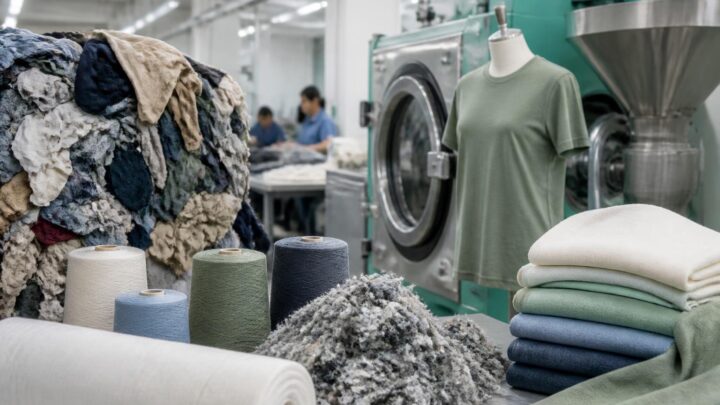
For many years, recycling was often viewed as the final stage in the life cycle of a garment: clothing that was no longer being used would be collected, sorted, and then converted into raw materials for another product. However, this approach is gradually revealing its limitations. If a product is made from a blend of
Read more →
Agricultural · 9 November, 2026
The European textile and garment market is shifting from an approach focused on production to one that manages the entire product life cycle. A garment is no longer assessed only by its price, seam quality, or delivery time. Design, material composition, repairability, durability, supply chain information, and end-of-life treatment are increasingly becoming part of market
Read more →
Agricultural · 8 November, 2026
Vietnam’s textile and garment industry is facing a fundamental change in the way it approaches the European market. Environmental requirements are no longer focused only on wastewater treatment, energy use, or factory emissions reporting. With the new legal framework on ecodesign for sustainable products, factors such as durability, repairability, recycled material content, recyclability, and product
Read more →
Agricultural · 8 November, 2026
The European textile market is shifting from an approach based primarily on product standards to a model that controls the entire product life cycle. For Vietnamese businesses, this means environmental requirements no longer appear only at the final inspection stage. The source of raw materials, the amount of water and energy used, chemicals, product durability,
Read more →
Agricultural · 7 November, 2026
Europe’s textile market is moving from an approach focused solely on controlling finished products to managing the entire product life cycle. From design, material selection, energy consumption and chemical use to repairability, reuse and recyclability, an increasing number of requirements are being incorporated into the European Union’s (EU) policy framework. For Vietnamese businesses, this shift
Read more →
Agricultural · 7 November, 2026
The textile industry is entering a phase in which environmental requirements are no longer assessed only at the production stage. From design, material selection, chemical use and energy consumption to the treatment of products after they are discarded, every link in the chain is increasingly shaped by new regulations. The European Union (EU) is one
Read more →