Agricultural · 31 October, 2026
For many years, textile recycling was often viewed as an end-of-life treatment stage: collecting used clothing, sorting it, cutting it into smaller pieces, and then sending it through an appropriate reuse process. This approach remains necessary, but it is no longer sufficient to address the increasingly complex problems facing the industry. A product’s recyclability is
Read more →
Agricultural · 31 October, 2026
The textile industry is entering a period in which product requirements no longer stop at quality, cost, or delivery time. In major markets, particularly the European Union (EU), businesses increasingly have to demonstrate what materials a product is made from, how many resources it uses, how it can be repaired or recycled, and what happens
Read more →
Plastic · 31 October, 2026
For many years, textile recycling was often viewed as an end-of-life treatment stage: collecting used clothing, sorting it, cutting it into smaller pieces, and then sending it through an appropriate reuse process. This approach remains necessary, but it is no longer sufficient to address the increasingly complex problems facing the industry. A product’s recyclability is
Read more →
Metal · 31 October, 2026
For many years, textile recycling was often viewed as an end-of-life treatment stage: collecting used clothing, sorting it, cutting it into smaller pieces, and then sending it through an appropriate reuse process. This approach remains necessary, but it is no longer sufficient to address the increasingly complex problems facing the industry. A product’s recyclability is
Read more →
Plastic · 31 October, 2026
The textile industry is entering a period in which product requirements no longer stop at quality, cost, or delivery time. In major markets, particularly the European Union (EU), businesses increasingly have to demonstrate what materials a product is made from, how many resources it uses, how it can be repaired or recycled, and what happens
Read more →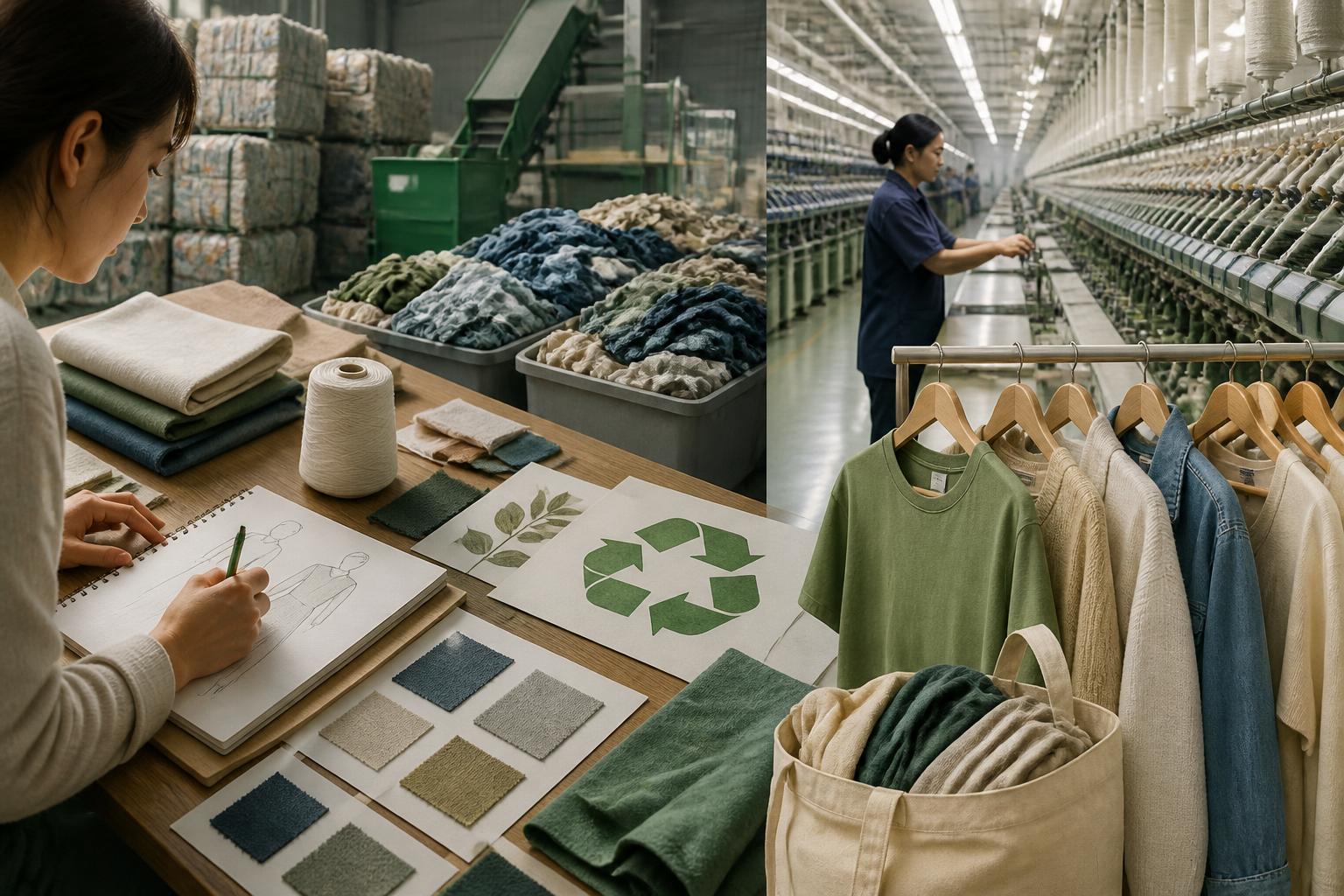
Textile · 31 October, 2026
For many years, textile recycling was often viewed as an end-of-life treatment stage: collecting used clothing, sorting it, cutting it into smaller pieces, and then sending it through an appropriate reuse process. This approach remains necessary, but it is no longer sufficient to address the increasingly complex problems facing the industry. A product’s recyclability is
Read more →