Metal · 25 October, 2026
For many years, delivery capacity, product quality and labor costs have been among the factors most frequently prioritized when assessing the position of a textile and garment enterprise. However, these criteria are now being supplemented by a more fundamental requirement: enterprises must be able to demonstrate where products are made, what materials are used, how
Read more →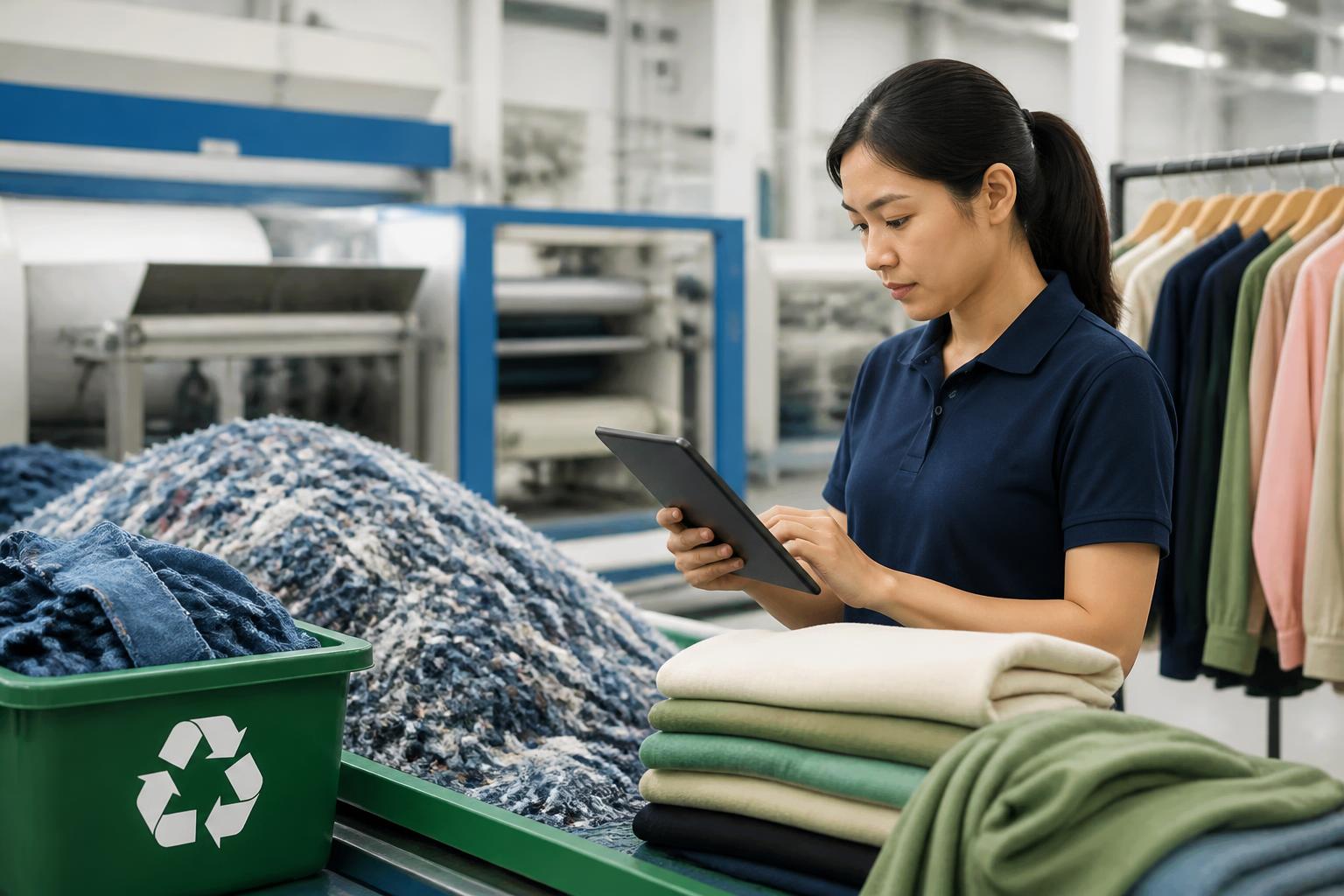
Textile · 25 October, 2026
For many years, delivery capacity, product quality and labor costs have been among the factors most frequently prioritized when assessing the position of a textile and garment enterprise. However, these criteria are now being supplemented by a more fundamental requirement: enterprises must be able to demonstrate where products are made, what materials are used, how
Read more →
News · 24 October, 2026
For many years, textile recycling has often been viewed as a process at the end of a product’s life cycle: clothes that are no longer usable are collected, sorted, and then turned into rags, filling materials, or recycled fibers. This approach still has value, but its limitations are becoming increasingly apparent. If products are designed
Read more →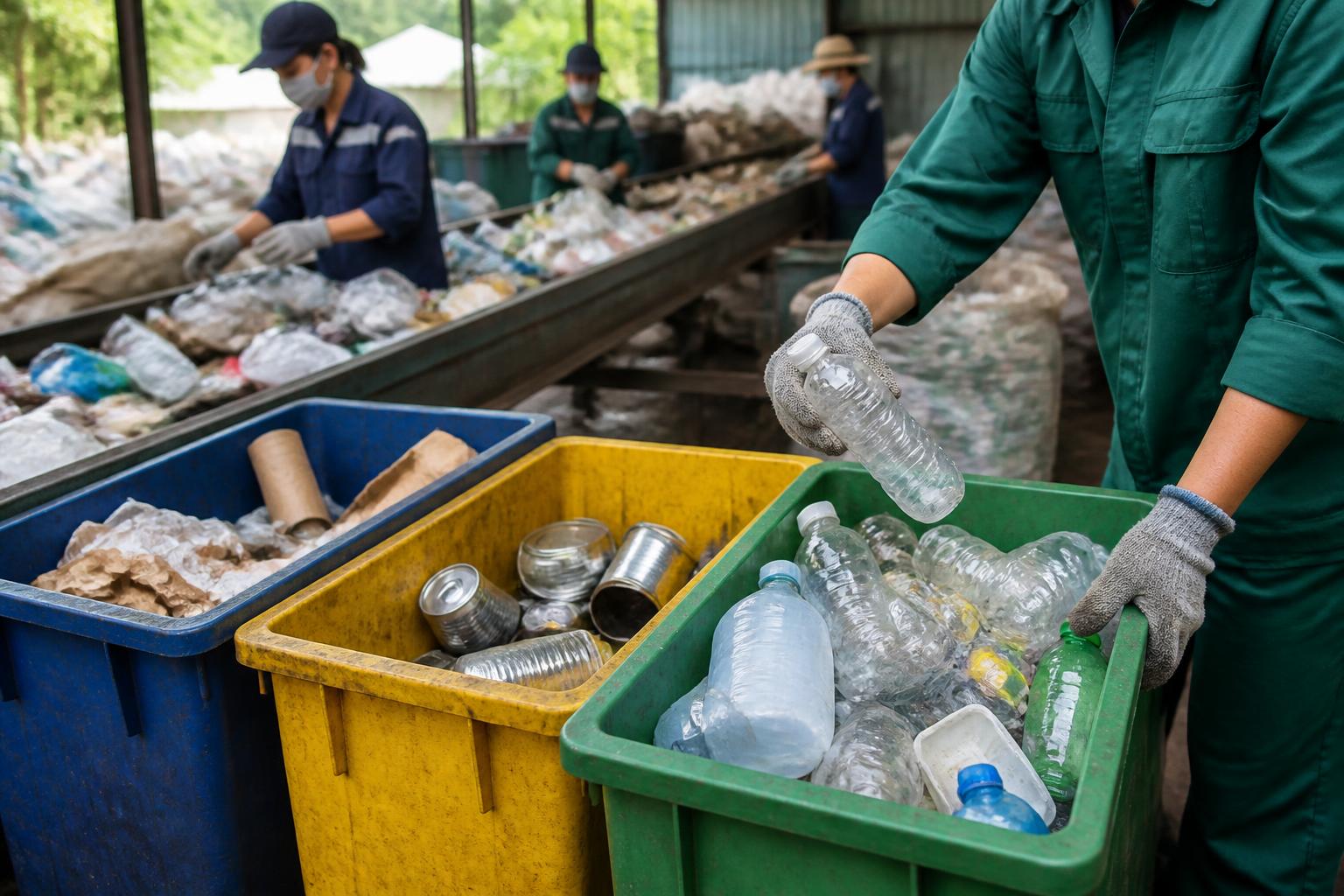
Scrap · 24 October, 2026
For many years, textile recycling has often been viewed as a process at the end of a product’s life cycle: clothes that are no longer usable are collected, sorted, and then turned into rags, filling materials, or recycled fibers. This approach still has value, but its limitations are becoming increasingly apparent. If products are designed
Read more →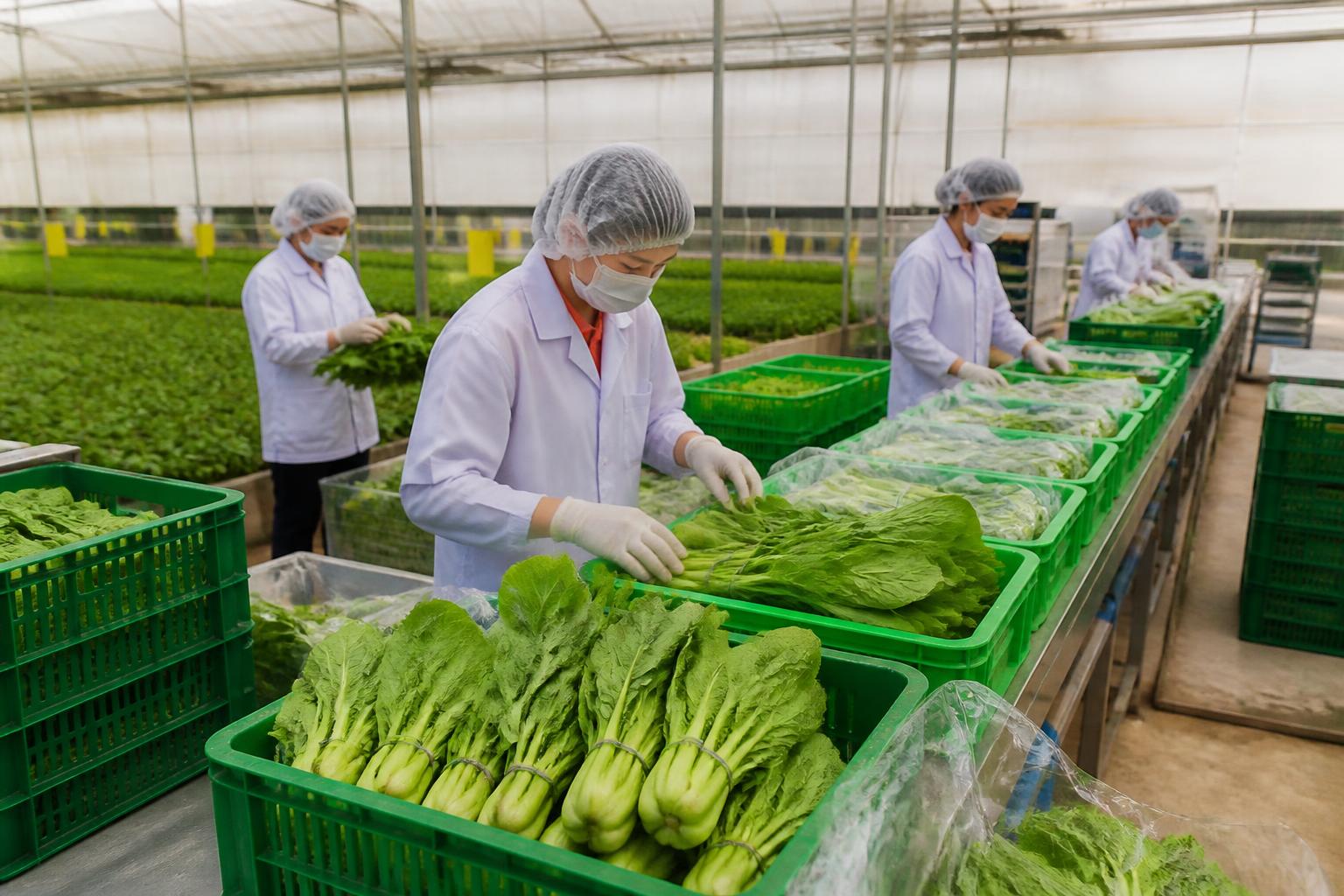
Agricultural · 24 October, 2026
For many years, textile recycling has often been viewed as a process at the end of a product’s life cycle: clothes that are no longer usable are collected, sorted, and then turned into rags, filling materials, or recycled fibers. This approach still has value, but its limitations are becoming increasingly apparent. If products are designed
Read more →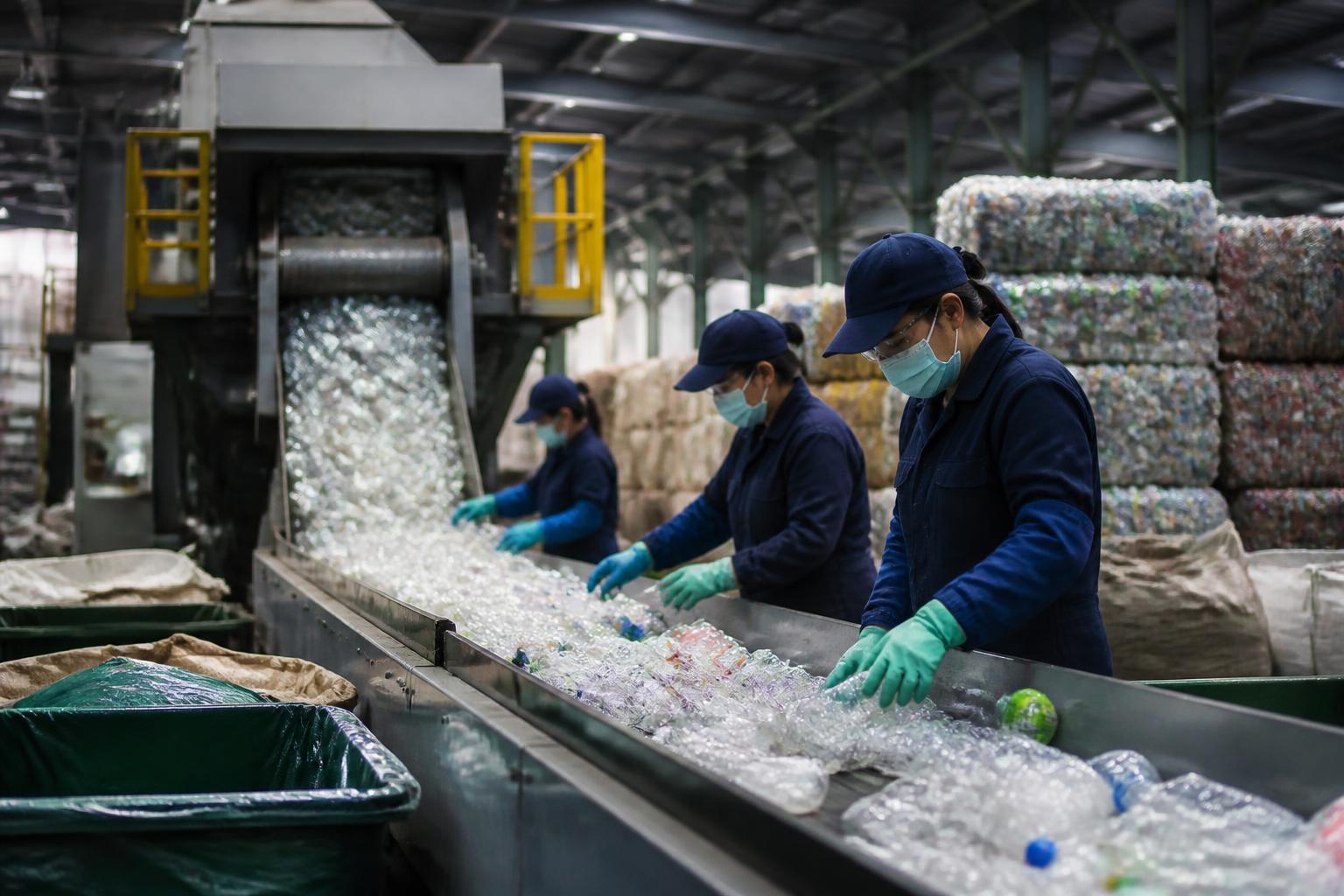
Plastic · 24 October, 2026
For many years, textile recycling has often been viewed as a process at the end of a product’s life cycle: clothes that are no longer usable are collected, sorted, and then turned into rags, filling materials, or recycled fibers. This approach still has value, but its limitations are becoming increasingly apparent. If products are designed
Read more →