
News
The Middle East Energy Shock and Three Scenarios Shaping the U.S. Dollar, Oil Prices, and the Global Economy
Mar
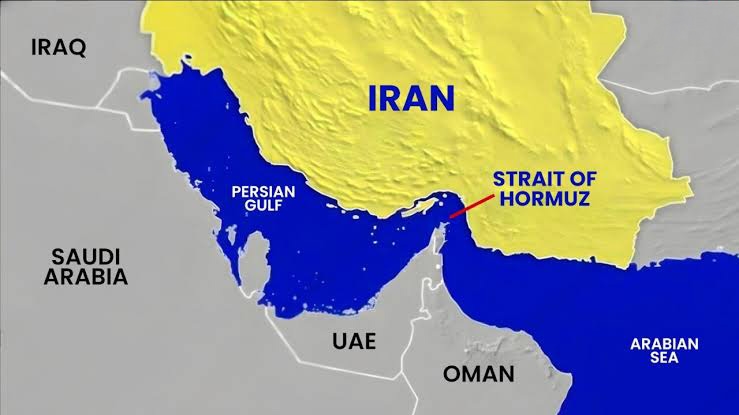
Hormuz as a Strategic Chokepoint in the Global Energy System
The Strait of Hormuz has long been regarded as one of the most critical arteries of the global energy system. Roughly one fifth of the world’s traded oil passes through this narrow corridor. Any military escalation or blockade in this area therefore transcends regional politics and immediately becomes a systemic global shock. Oil prices react first, followed by movements in the U.S. dollar, and ultimately by broader adjustments across the global economic structure.
The key variable is not only how high oil rises, but how long elevated prices persist. The duration of disruption determines whether the shock remains cyclical or becomes structural. The following three scenarios outline distinct trajectories for oil prices, the dollar, and the global economy, with particular emphasis on oil-dependent nations.
Scenario One: Short-Term Escalation Followed by Rapid De-escalation
In a situation where tensions intensify sharply but diplomatic channels reopen within two to three weeks, markets would likely experience a sharp but temporary energy spike. Oil prices could surge in the first week as traders price in geopolitical risk and precautionary stockpiling. Once negotiations begin and shipping flows resume, prices would gradually stabilize at a level somewhat higher than pre-crisis conditions but below panic peaks.
The U.S. dollar would likely strengthen initially, supported by safe-haven flows into U.S. Treasury securities. In times of geopolitical stress, the dollar retains its role as a primary reserve currency. As tensions ease, the dollar would probably stabilize or soften modestly, particularly if monetary policy expectations remain unchanged.
Under this scenario, the global economic impact would be contained in duration. Inflation would temporarily rise due to higher energy input costs, but central banks might refrain from aggressive tightening if oil prices retreat quickly. Nevertheless, oil-importing economies such as Japan, South Korea, India, and many Southeast Asian nations would face short-term external shocks. Their trade balances could deteriorate, domestic currencies might weaken, and imported inflation pressures would intensify. If the crisis proves brief, however, financial systems would likely absorb the disruption without long-lasting damage.
Scenario Two: Full-Scale War and a Dual Shock of Inflation and Recession
If tensions escalate into a broad military confrontation involving the United States and regional allies, oil prices could spike dramatically due to genuine supply disruptions. In this case, markets would no longer be pricing risk alone but actual physical shortages.
Initially, the U.S. dollar could strengthen further as investors seek liquidity and safety. However, if the conflict becomes prolonged and U.S. fiscal expenditures expand significantly, concerns about debt sustainability may surface. Global asset managers could rebalance portfolios, trimming exposure to U.S. Treasuries and increasing allocations to gold or other defensive assets. In that environment, the dollar might weaken after an initial surge.
The global economy would then confront a dual shock. On one side, surging energy prices would fuel cost-push inflation. On the other, prolonged uncertainty and reduced purchasing power would dampen consumption and investment, raising the risk of recession. Oil-importing economies would be particularly vulnerable. India, which relies heavily on imported crude, could see its current account deficit widen rapidly. European economies already sensitive to energy volatility would face renewed production cost pressures and weakened export demand.
Emerging markets that subsidize fuel prices would experience fiscal strain. Governments with limited budgetary capacity might struggle to absorb higher import costs, forcing domestic price increases and potentially triggering social instability. In this scenario, the energy shock evolves into a broader macroeconomic and political challenge.
Scenario Three: Prolonged Stalemate and Gradual Erosion of Growth
A third, less dramatic but potentially more corrosive outcome would involve a prolonged standoff without decisive resolution. Oil prices might remain elevated for an extended period, not at extreme peaks but at persistently high levels. The cumulative effect of sustained energy costs would gradually reshape inflation expectations and corporate planning.
In this environment, the U.S. dollar could weaken over time if markets perceive the United States as entangled in a costly and inconclusive regional conflict. Sustained defense spending combined with slower economic growth would intensify concerns about long-term fiscal deficits. Should major economies diversify reserves more aggressively, structural pressure on the dollar could increase.
The global economy under this scenario would likely drift into a prolonged period of subdued growth. There would be no immediate collapse, but rather a steady erosion of momentum. Oil-dependent importing countries would suffer the most persistent damage. Elevated energy costs would undermine competitiveness, compress profit margins, and strain household purchasing power. Nations with thin foreign exchange reserves and significant dollar-denominated debt would face heightened vulnerability, as weaker domestic currencies amplify the burden of energy imports.
Oil-Dependent Economies at the Center of the Shock
Across all three scenarios, the central vulnerability lies with economies heavily dependent on imported energy. When oil prices rise, trade balances deteriorate, inflation accelerates, and exchange rates come under pressure simultaneously. Policymakers are forced into difficult trade-offs between containing inflation and supporting growth. If high prices persist, the cumulative strain can alter fiscal trajectories, credit ratings, and long-term development plans.
Oil-exporting countries may benefit in the short term from higher revenues. However, if prices rise excessively and contribute to global recession, demand destruction will eventually limit those gains. Thus even exporters face medium-term risks if instability becomes entrenched.
Time as the Critical Variable
Ultimately, the defining factor is duration. A brief shock can be absorbed through reserves, policy adjustments, and temporary market dislocations. A prolonged disruption can reconfigure trade flows, reshape currency hierarchies, and alter global growth patterns.
For oil-dependent economies, this moment underscores the urgency of diversifying supply sources and accelerating energy transition strategies. Without structural adaptation, each new Middle Eastern crisis risks repeating the same cycle of vulnerability.

Bài Viết Liên Quan
Australia Reviews Anti-Dumping Measures on Galvanized Steel: A Sign of Rising Trade Protection?
Middle East Conflict Boosts China’s Green Industry: Global Expert Perspectives
Industrial Metals Market Volatility: Aluminum, Copper, and Steel Prices Shaped by Geopolitics and Global Demand
Establishing Vietnam’s Carbon Market: A Strategic Step Toward a Green Economy and Global Integration
Global Steel Output Declines in February 2026: A Temporary Adjustment or the Start of a New Cycle?
Automakers Compete for Aluminum Supply Amid Rising Tensions in the Gulf Region: Global Supply Chains Under Pressure
Bài Viết Cùng thể loại
Middle East Conflict Boosts China’s Green Industry: Global Expert Perspectives
Industrial Metals Market Volatility: Aluminum, Copper, and Steel Prices Shaped by Geopolitics and Global Demand
Establishing Vietnam’s Carbon Market: A Strategic Step Toward a Green Economy and Global Integration
Automakers Compete for Aluminum Supply Amid Rising Tensions in the Gulf Region: Global Supply Chains Under Pressure
A New Milestone for Vietnam’s Agriculture: Piloting Pork Trading on the Commodity Exchange
Gold Prices Fall Amid Middle East Tensions: Economic Weakness in the U.S. and the Warning of Returning Inflation