Plastic · 5 October, 2026
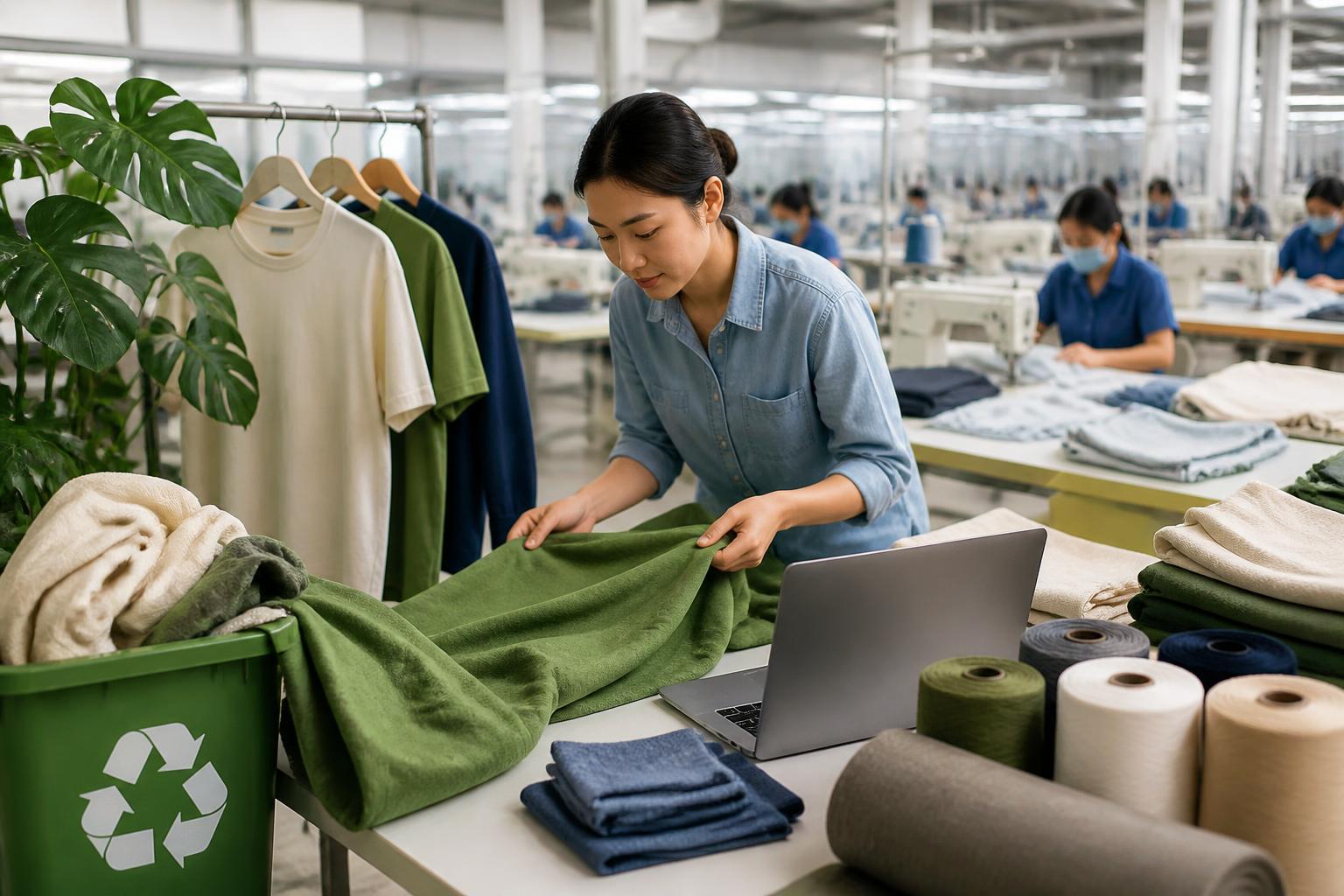
For many years, textile recycling was often viewed as a post-consumer processing activity: used clothing was collected, sorted, and then turned into cleaning rags, soundproofing materials, or recycled fibers. This approach is changing. With new requirements for product design, material traceability, environmental responsibility, and supply chain transparency, recycling is increasingly being considered at the product
Read more →
Metal · 5 October, 2026
For many years, textile recycling was often viewed as a post-consumer processing activity: used clothing was collected, sorted, and then turned into cleaning rags, soundproofing materials, or recycled fibers. This approach is changing. With new requirements for product design, material traceability, environmental responsibility, and supply chain transparency, recycling is increasingly being considered at the product
Read more →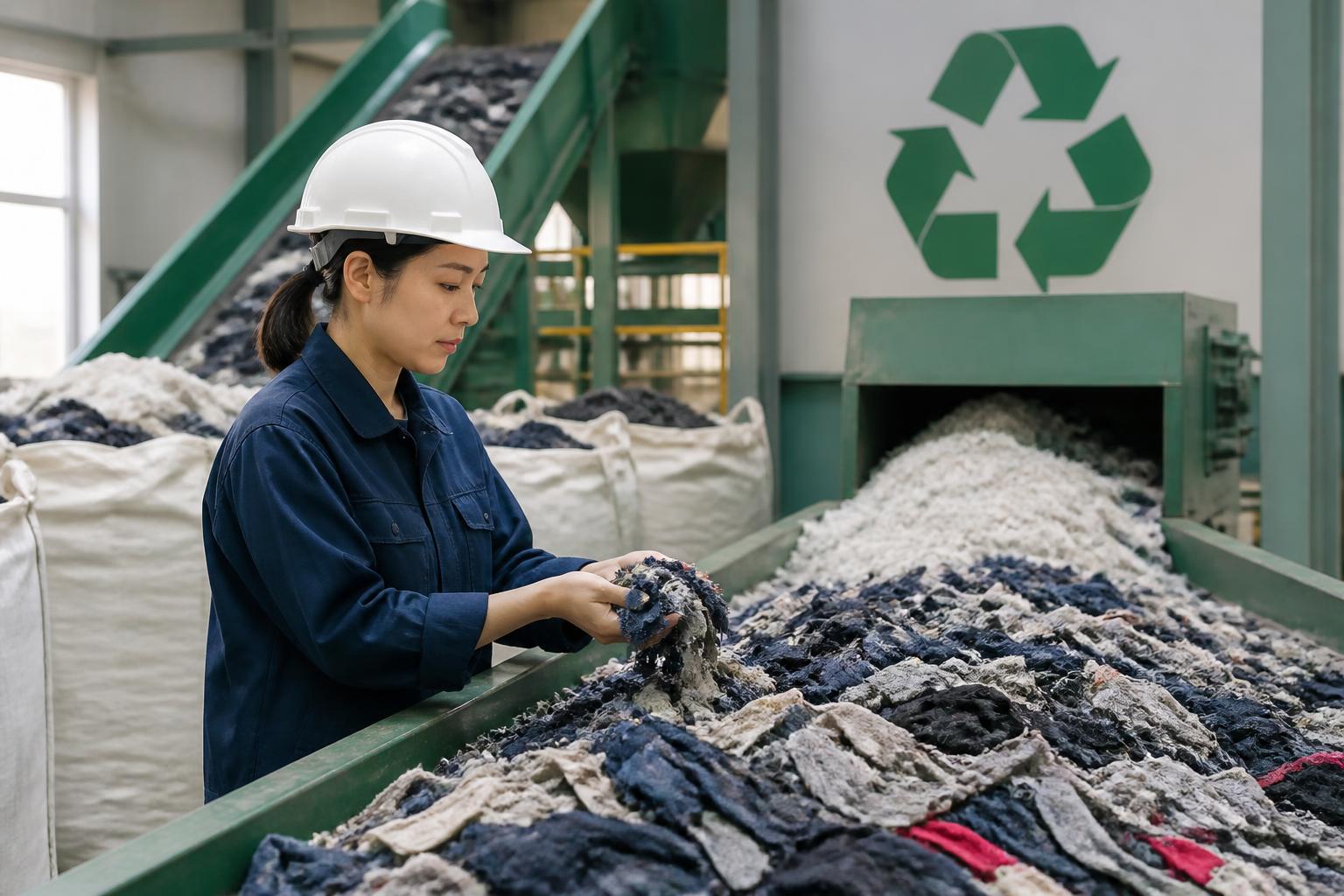
Textile · 5 October, 2026
For many years, textile recycling was often viewed as a post-consumer processing activity: used clothing was collected, sorted, and then turned into cleaning rags, soundproofing materials, or recycled fibers. This approach is changing. With new requirements for product design, material traceability, environmental responsibility, and supply chain transparency, recycling is increasingly being considered at the product
Read more →
News · 5 October, 2026
For many years, environmental requirements for textiles exported to Europe have mainly been expressed through brand standards, chemical regulations, social responsibility rules, and traceability requirements. This approach is now moving into a broader phase: products are expected to be designed to last longer, be easier to repair, and be reusable or recyclable, while also being
Read more →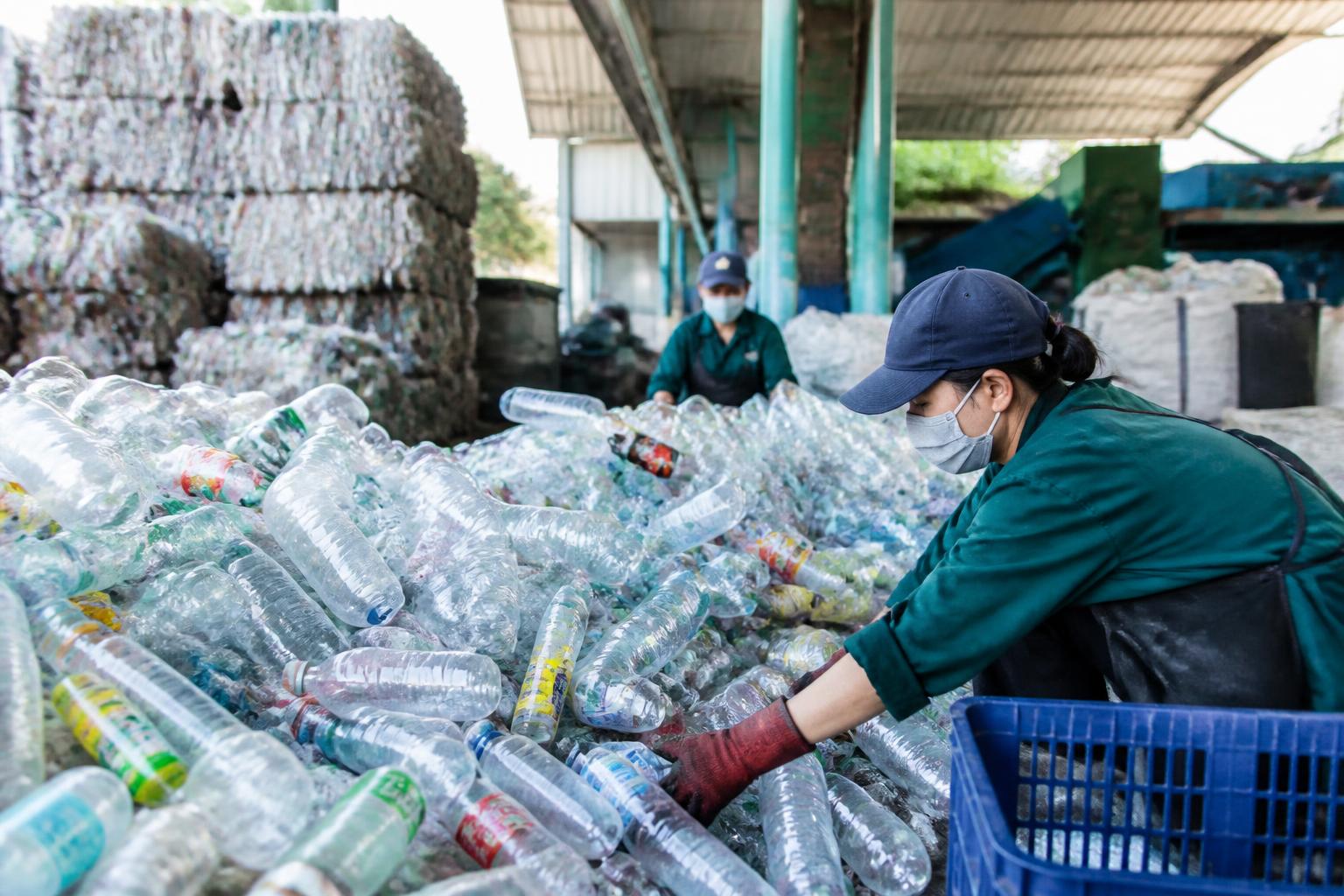
Scrap · 5 October, 2026
For many years, environmental requirements for textiles exported to Europe have mainly been expressed through brand standards, chemical regulations, social responsibility rules, and traceability requirements. This approach is now moving into a broader phase: products are expected to be designed to last longer, be easier to repair, and be reusable or recyclable, while also being
Read more →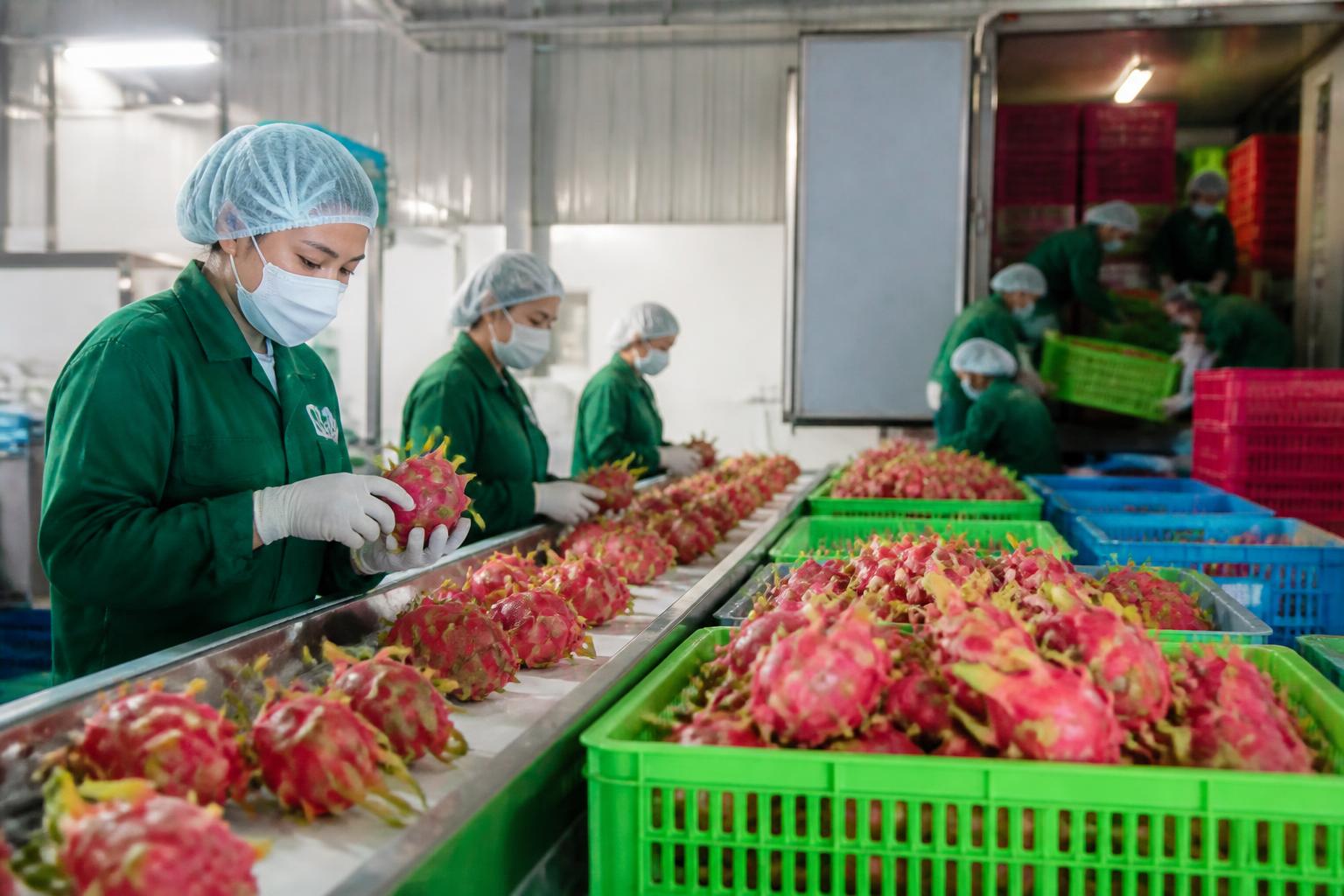
Agricultural · 5 October, 2026
For many years, environmental requirements for textiles exported to Europe have mainly been expressed through brand standards, chemical regulations, social responsibility rules, and traceability requirements. This approach is now moving into a broader phase: products are expected to be designed to last longer, be easier to repair, and be reusable or recyclable, while also being
Read more →