News · 4 November, 2026
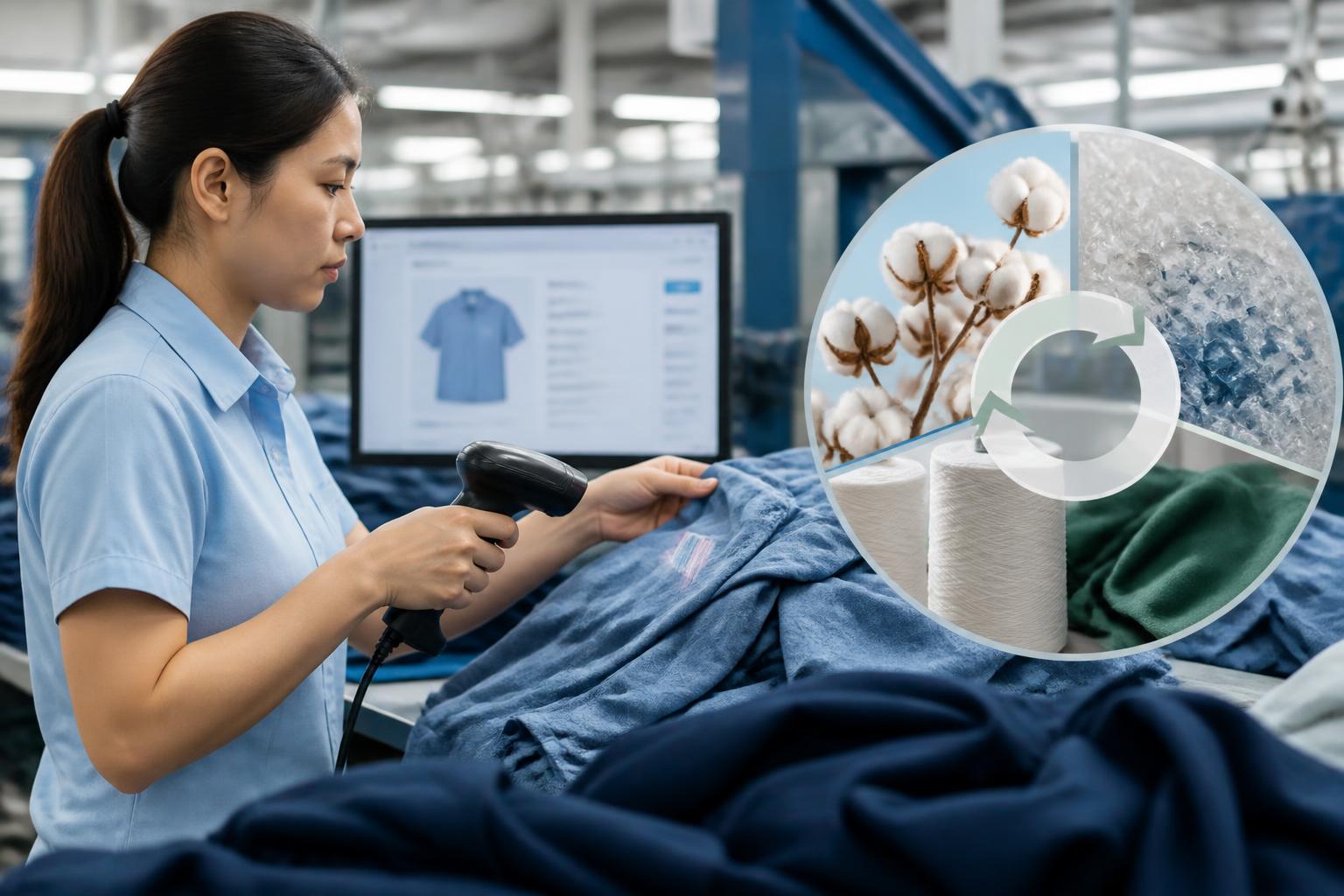
The textile industry exporting to Europe is entering a phase in which production capacity and cost are no longer the only two criteria determining competitiveness. How a product is designed, how materials are selected, how data is recorded, and how the product is handled after use are increasingly falling within the scope of regulation in
Read more →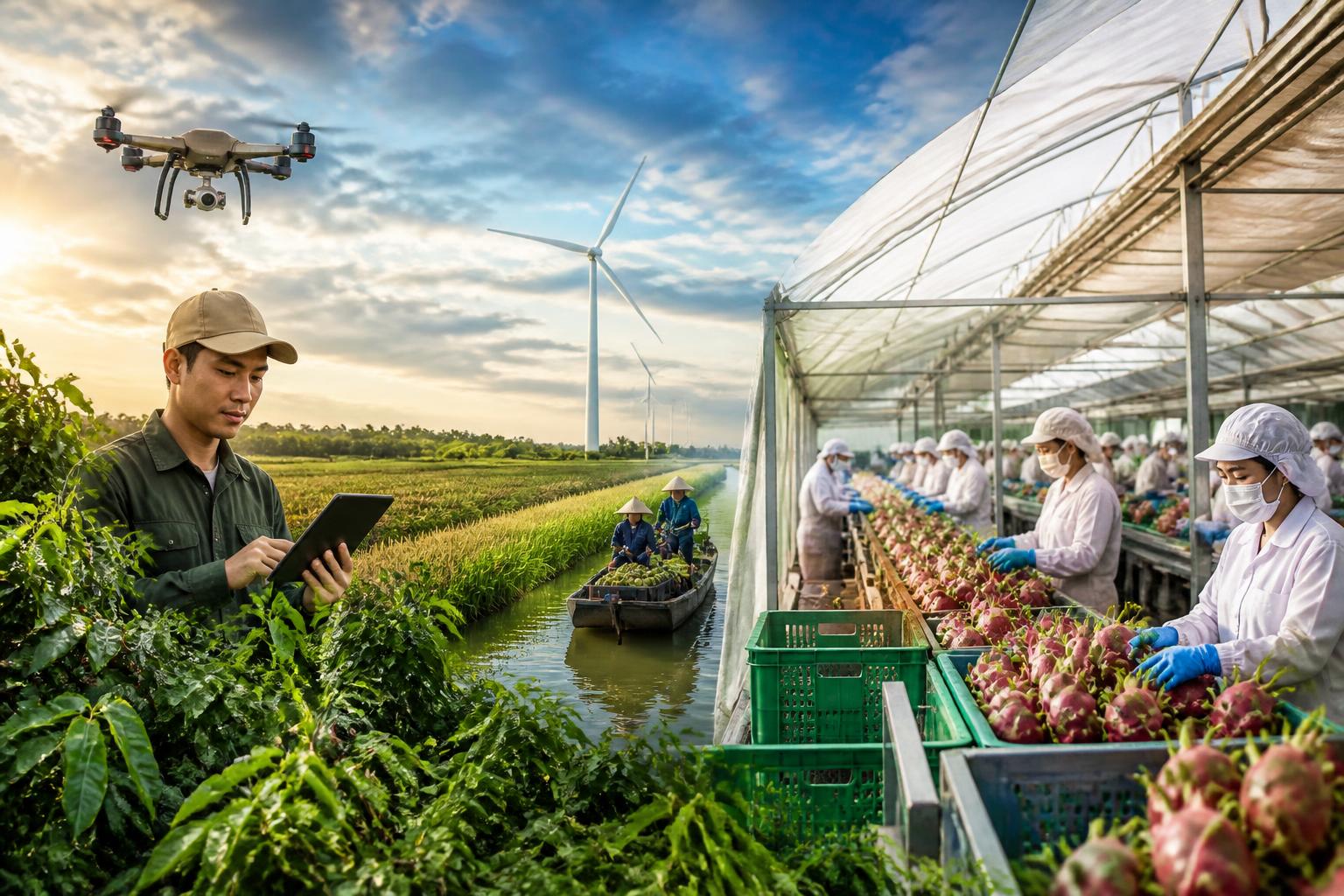
Agricultural · 4 November, 2026
For many years, environmental requirements for textile and apparel enterprises have focused primarily on issues visible within factories: water consumption, chemicals, energy, wastewater treatment, and waste management. However, new regulations in Europe are expanding the scope of oversight to cover the entire product life cycle. For exporters, the question is no longer simply whether a
Read more →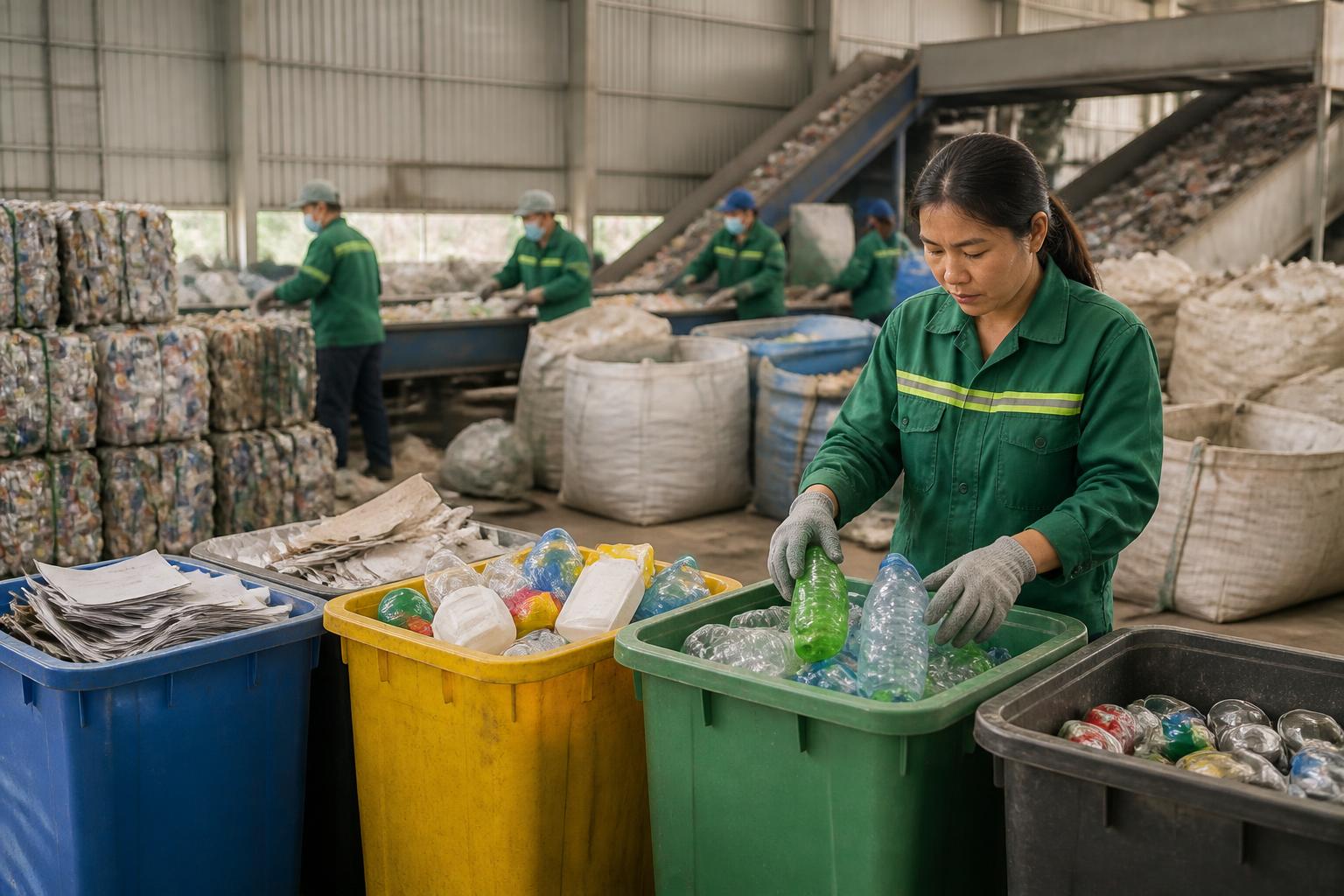
Scrap · 4 November, 2026
The textile industry exporting to Europe is entering a phase in which production capacity and cost are no longer the only two criteria determining competitiveness. How a product is designed, how materials are selected, how data is recorded, and how the product is handled after use are increasingly falling within the scope of regulation in
Read more →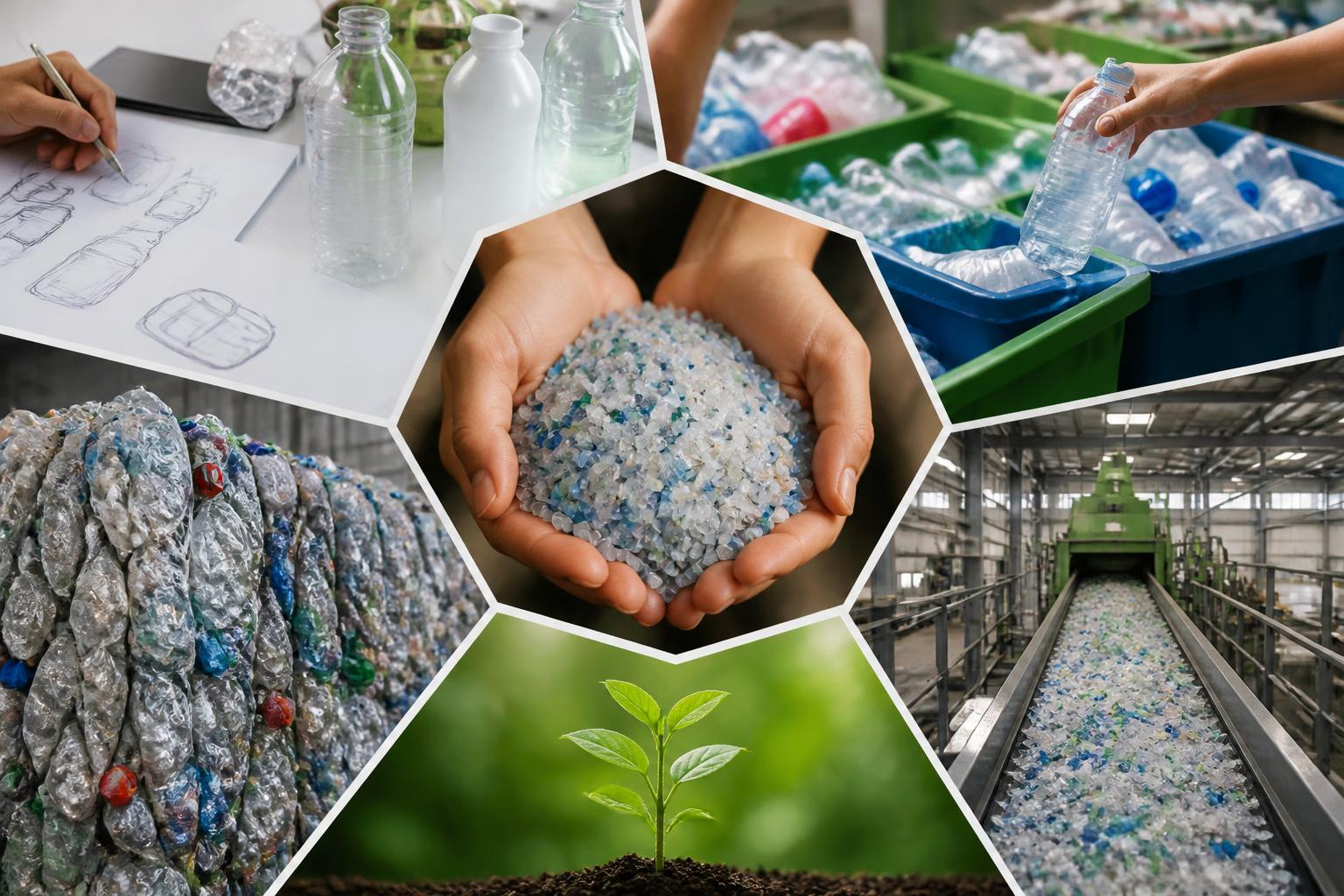
Plastic · 4 November, 2026
For many years, environmental requirements for textile and apparel enterprises have focused primarily on issues visible within factories: water consumption, chemicals, energy, wastewater treatment, and waste management. However, new regulations in Europe are expanding the scope of oversight to cover the entire product life cycle. For exporters, the question is no longer simply whether a
Read more →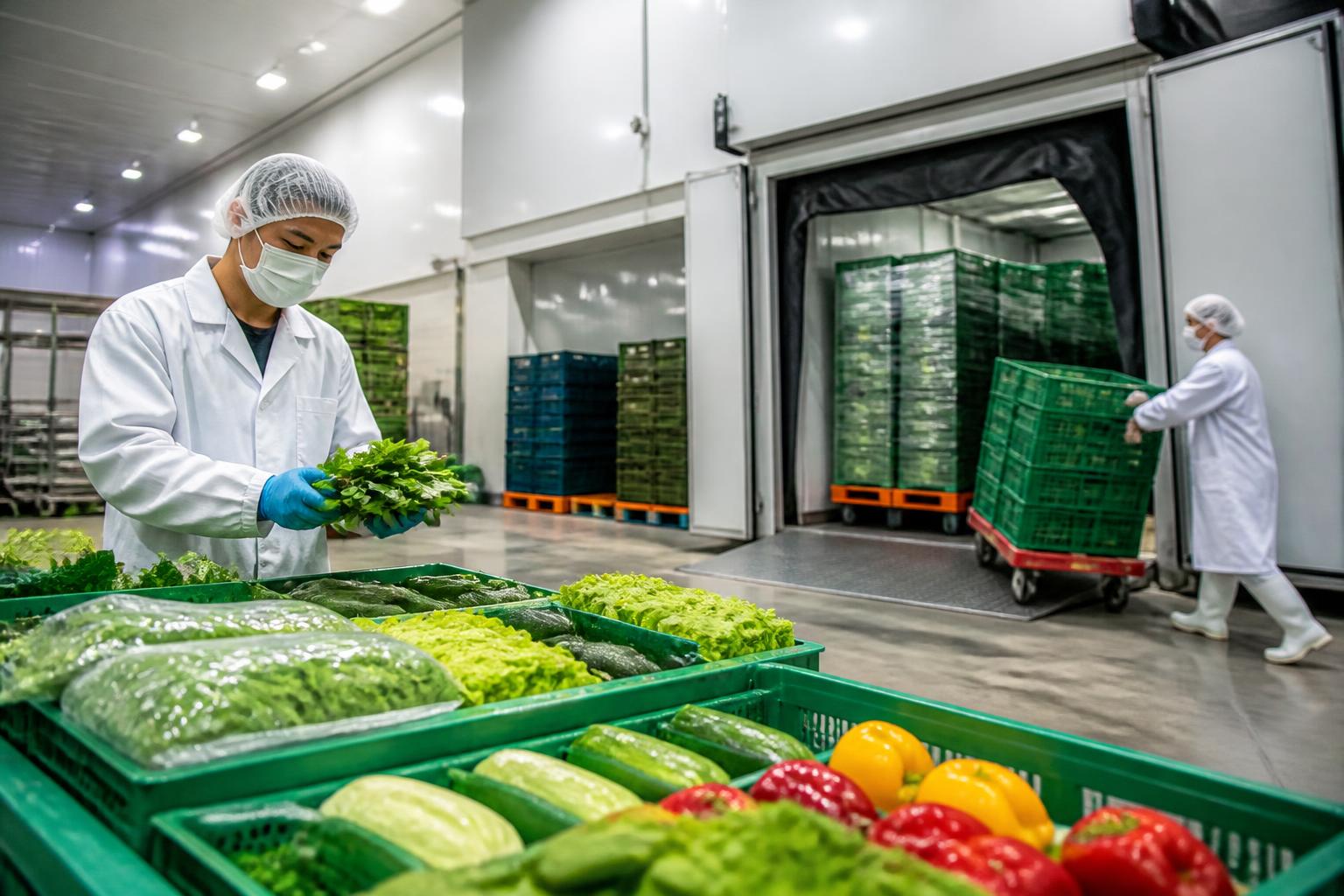
Agricultural · 4 November, 2026
The textile industry exporting to Europe is entering a phase in which production capacity and cost are no longer the only two criteria determining competitiveness. How a product is designed, how materials are selected, how data is recorded, and how the product is handled after use are increasingly falling within the scope of regulation in
Read more →
Metal · 4 November, 2026
For many years, environmental requirements for textile and apparel enterprises have focused primarily on issues visible within factories: water consumption, chemicals, energy, wastewater treatment, and waste management. However, new regulations in Europe are expanding the scope of oversight to cover the entire product life cycle. For exporters, the question is no longer simply whether a
Read more →