Textile · 11 October, 2026
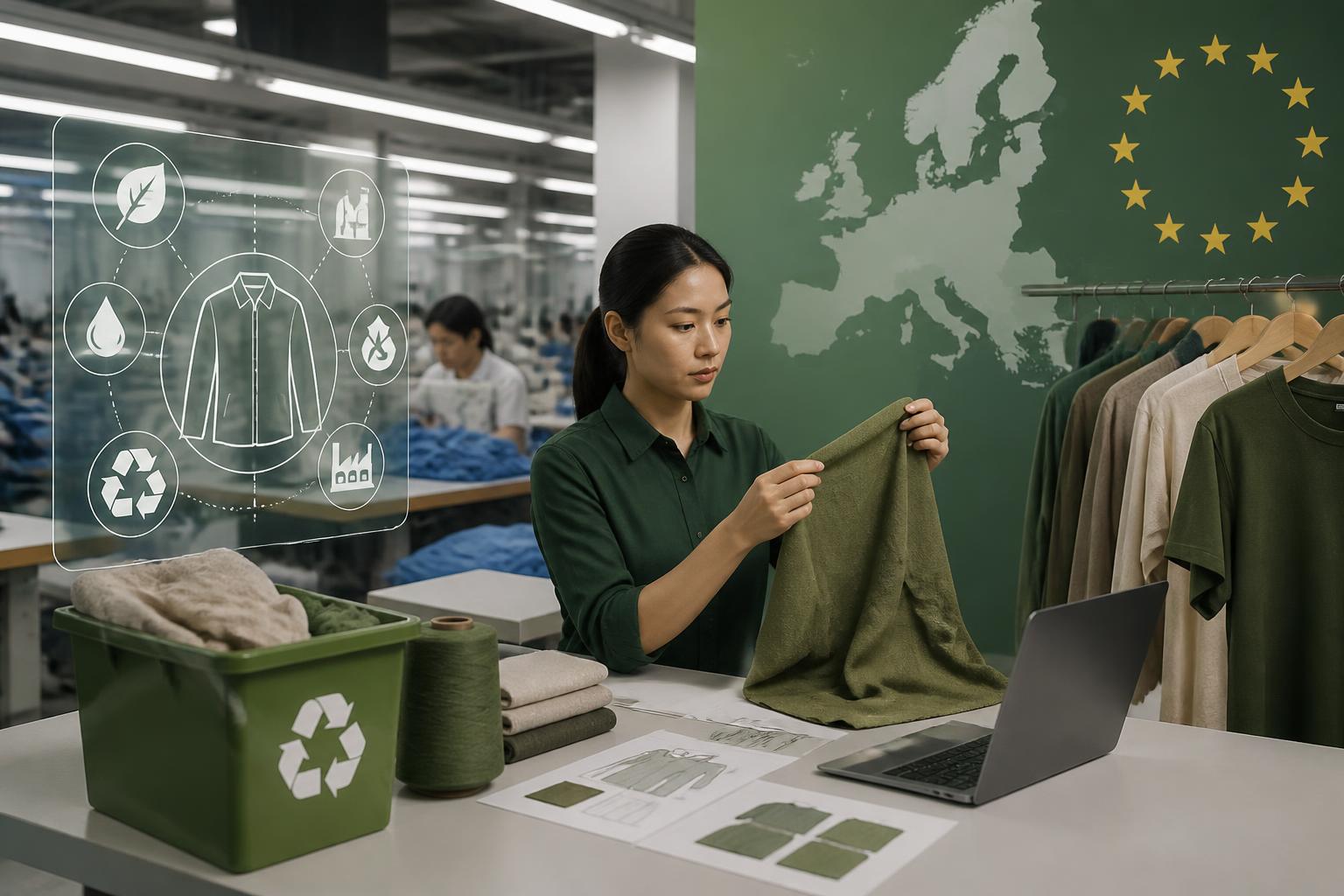
Textile and apparel exporters to Europe are facing a change that involves more than materials or production processes. With the European Union’s Ecodesign for Sustainable Products Regulation, commonly known as the ESPR, requirements concerning durability, repairability, resource use, product information and post-consumer treatment are brought together within a single policy framework. The regulation does not
Read more →
Textile · 10 October, 2026
The textile industry is entering a phase in which product data may be no less important than manufacturing capability, delivery times, or cost. In Europe, new regulations on ecodesign and sustainable products are laying the groundwork for a mechanism known as the Digital Product Passport. This mechanism aims to link a set of digital data
Read more →
Textile · 9 October, 2026
Vietnam’s textile and garment industry is entering a period in which production capacity and labor costs are no longer the only factors determining competitiveness in the European market. As the European Union shifts its focus from voluntary encouragement toward specific requirements on sustainable design, product information and responsibility throughout the entire life cycle of goods,
Read more →
Textile · 8 October, 2026
For many years, traceability in the textile and garment industry was generally understood as the ability to identify the supplier of yarn, fabric, accessories, or a production stage when requested by a customer. This approach is changing. With new regulations on ecodesign and product information in the European Union, data is no longer merely documentation
Read more →
Textile · 7 October, 2026
The textile industry is entering a period in which production capacity and cost are no longer the only criteria determining competitiveness. In major markets, particularly Europe, businesses are increasingly required to demonstrate that products are designed, manufactured, used and handled after consumption in a more environmentally responsible manner. This change is not taking place at
Read more →
Textile · 6 October, 2026
Vietnam’s textile and garment industry is facing an important change in the way it approaches the European market. Whereas importers previously focused mainly on price, quality, delivery times and safety standards, attention is gradually expanding to the product’s entire life cycle. What materials are used, whether the product is durable, whether it can be repaired
Read more →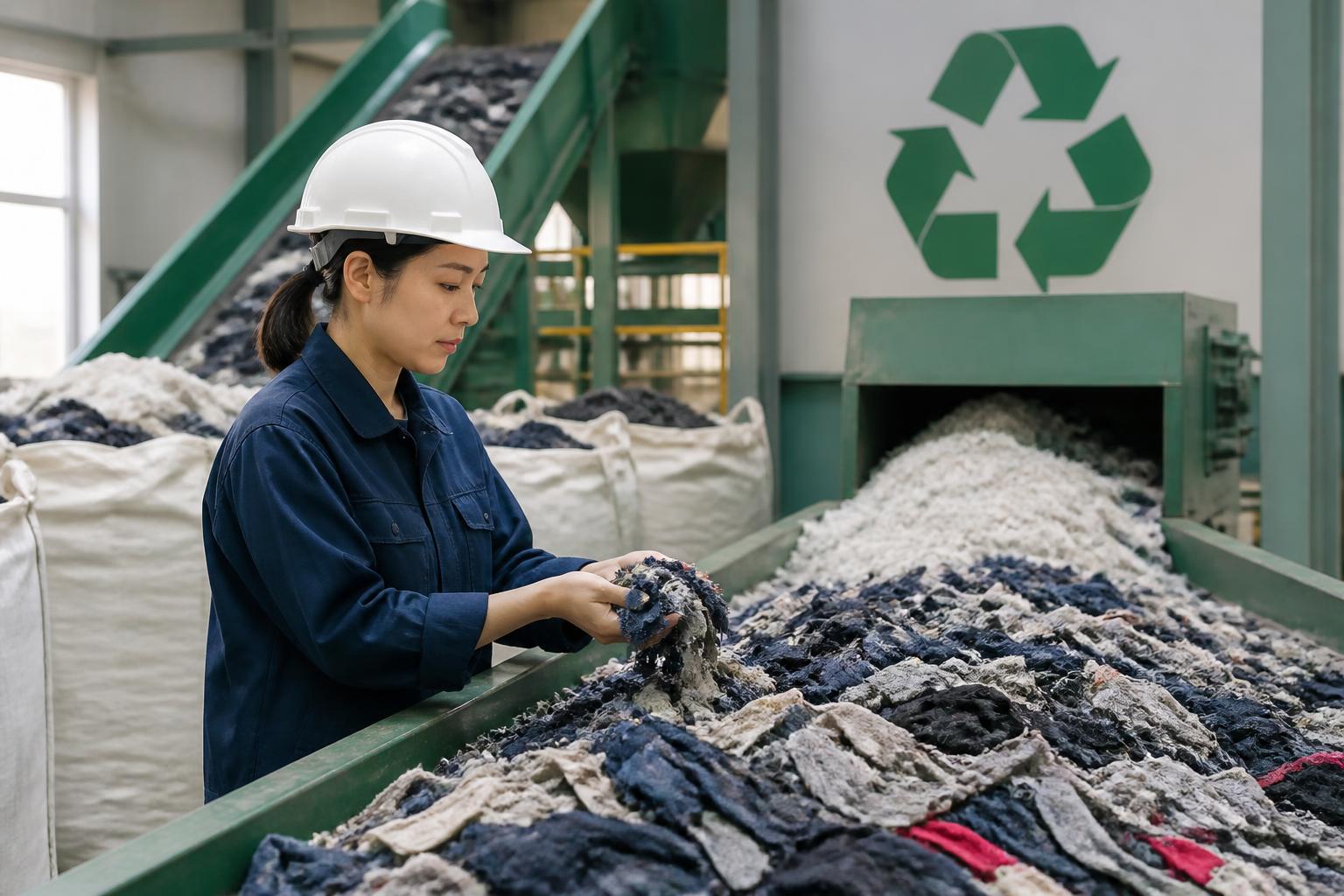
Textile · 5 October, 2026
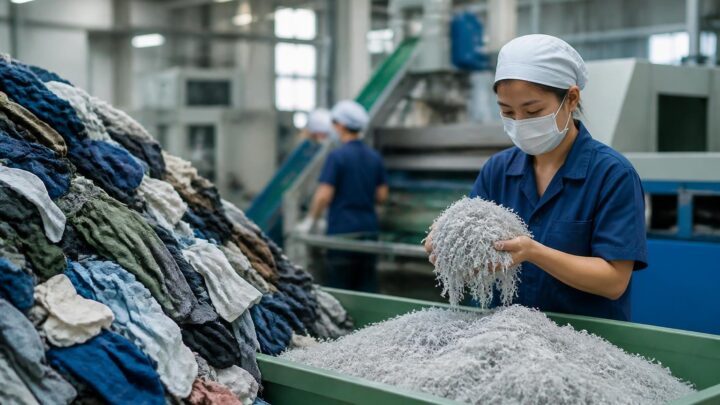
For many years, textile recycling was often viewed as a post-consumer processing activity: used clothing was collected, sorted, and then turned into cleaning rags, soundproofing materials, or recycled fibers. This approach is changing. With new requirements for product design, material traceability, environmental responsibility, and supply chain transparency, recycling is increasingly being considered at the product
Read more →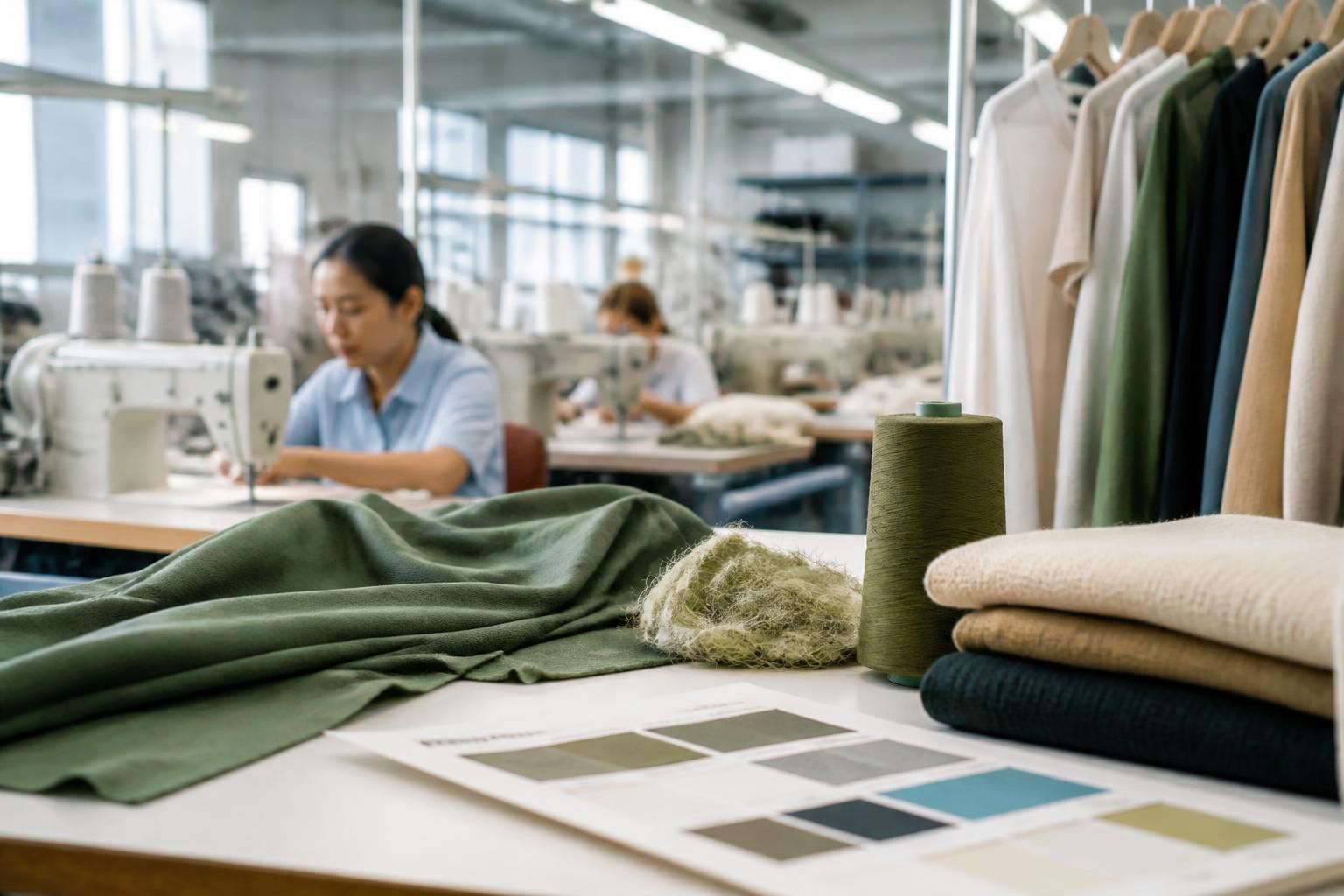
Textile · 5 October, 2026
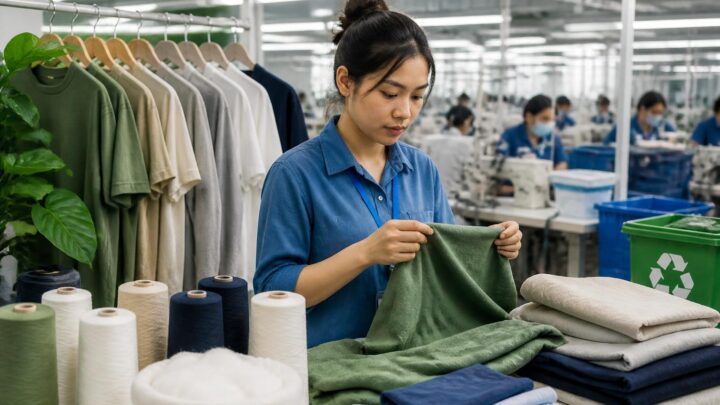
For many years, environmental requirements for textiles exported to Europe have mainly been expressed through brand standards, chemical regulations, social responsibility rules, and traceability requirements. This approach is now moving into a broader phase: products are expected to be designed to last longer, be easier to repair, and be reusable or recyclable, while also being
Read more →