
Metal
The Sharp Drop in Gold and Silver When a Wave of Speculation Hits the Wall of Policy
Feb
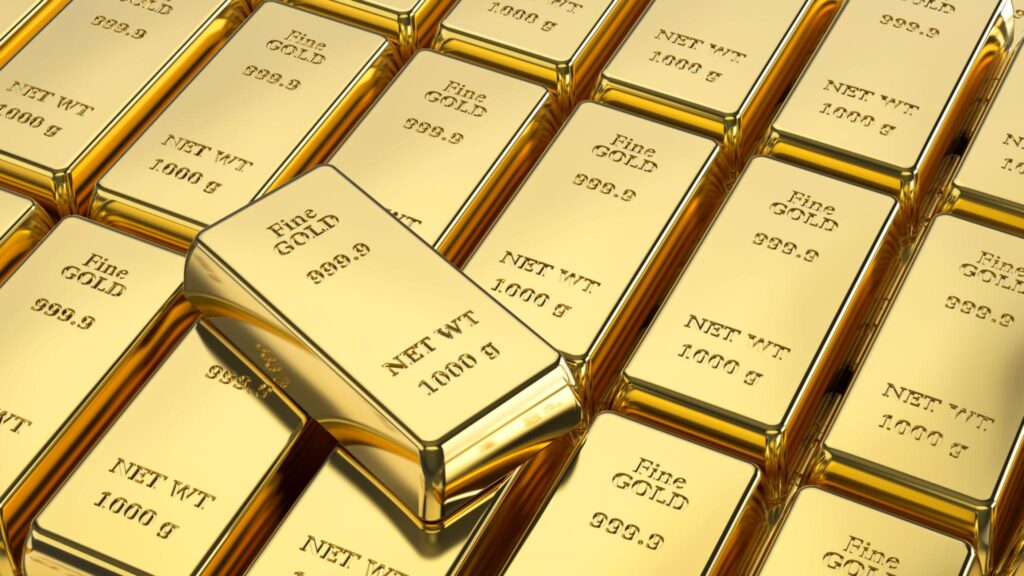
In financial market history, periods of rapid price increases are often followed by violent corrections. Yet it is rare for investors to witness a trading session in which both gold and silver plunge sharply just after setting record highs. The recent steep decline not only wiped out short term gains for speculators but also raised a fundamental question about the nature of the previous rally was it driven by genuine safe haven demand or merely a wave of hot money chasing expectations
This article examines the full picture behind the drop in the two precious metals from the drivers of the earlier surge the role of speculation the chain reaction of profit taking and the impact of shifting expectations about US monetary policy
The peak before the slide
Before falling, gold and silver had experienced an almost vertical rally. Gold kept setting new highs amid geopolitical uncertainty persistent inflation concerns and a weakening US dollar in the weeks prior. Meanwhile silver rose even faster than gold thanks to its dual story it is both a safe haven precious metal and an important industrial material for solar energy and electronics
Money flowed heavily into precious metal ETFs. Futures contracts on derivatives exchanges recorded unusually high trading volumes. Market psychology shifted from cautious to euphoric in a short time. Many retail investors entered late, afraid of missing out, pushing prices further away from fundamental levels
This was a classic overbought market environment
The spark Expectations about policy reverse
The trigger for the selloff did not come from a major geopolitical shock or a financial crisis but from a shift in expectations regarding US monetary policy. Markets began to believe that the Federal Reserve might maintain a cautious stance on inflation for longer than expected rather than moving quickly toward aggressive easing
In particular news that Donald Trump had nominated Kevin Warsh for a leadership role at the Fed prompted markets to reassess the path of interest rates. Warsh has been viewed as someone who values credibility in fighting inflation and discipline in managing the Fed balance sheet. Even though his views are not entirely hardline his presence in policy discussions raised the possibility that the Fed would not rush to ease
The immediate result was a stronger US dollar and slightly higher US bond yields. For gold and silver which do not generate income a higher real interest rate environment reduces their relative attractiveness
The domino effect of profit taking
As soon as prices began to slip a wave of profit taking quickly spread. Hedge funds that had built large long positions earlier rushed to lock in gains. Heavy selling orders created a short term imbalance in market liquidity
For silver the impact was even more dramatic. The silver market is smaller than gold with thinner liquidity and it is often traded with higher leverage in derivatives markets. When prices fall quickly margin calls force investors to sell more to add collateral creating a spiral of forced liquidation
In just one session silver losses far exceeded gold in percentage terms. This fits historical patterns silver typically rises more than gold in an uptrend but also falls more sharply in a correction
Leverage the double edged sword
During the rally many investors did not just buy physical gold and silver but also used futures options and leveraged ETFs. When the market moves in the right direction profits are amplified. But when the trend reverses losses are magnified just as quickly
The rapid drop triggered automated trading systems to activate stop loss orders. Quantitative risk managed funds were forced to reduce exposure to precious metals as volatility spiked. All of these technical factors combined turned what could have been a normal pullback into a sharp selloff
Market psychology flips rapidly
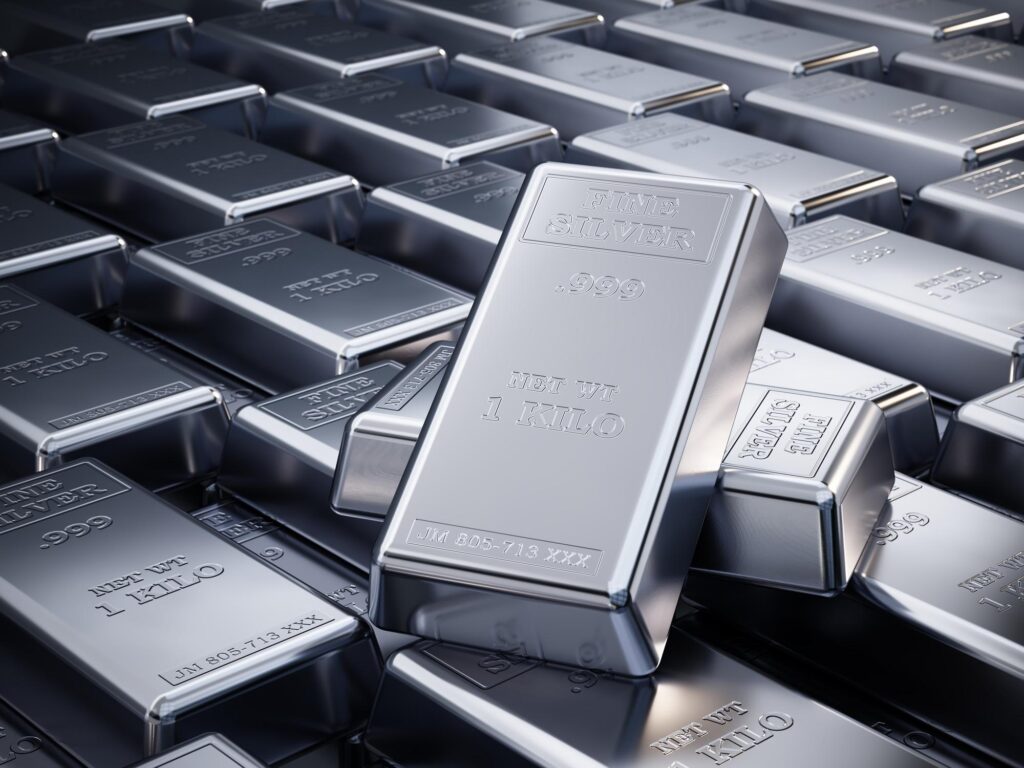
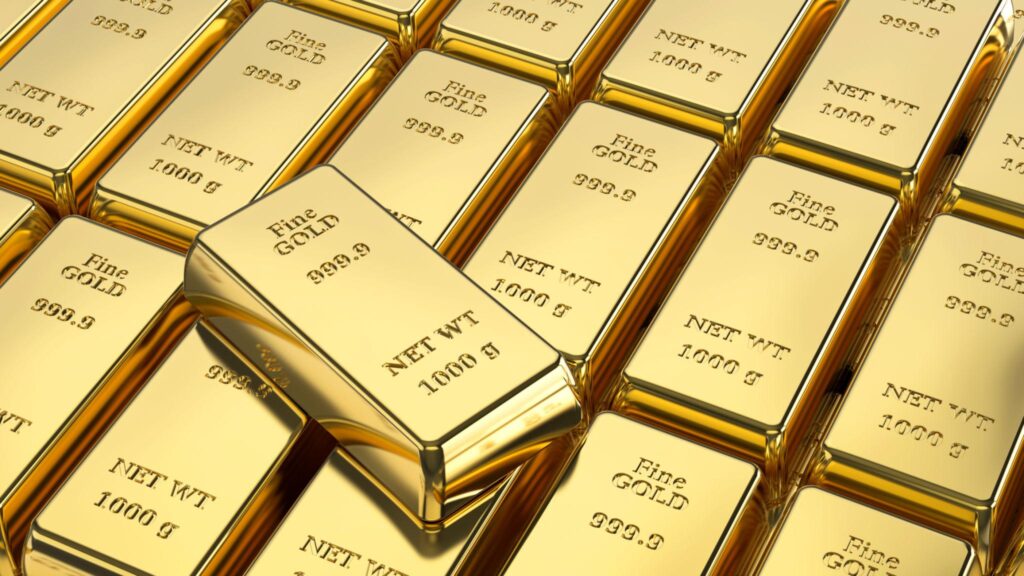
Before the plunge the dominant narrative was that gold could not fall because the world was full of uncertainty. After the plunge the narrative shifted to the idea that the previous rally had simply been a speculative bubble. The speed of this psychological shift highlights the strong influence of short term capital flows
In reality fundamental factors such as geopolitical risk or industrial demand for silver do not disappear overnight. But in the short term prices often reflect money flows and expectations rather than long term intrinsic value
Comparison with industrial metals
Notably at the same time industrial metals such as copper aluminum and zinc did not fall as deeply. They may have experienced mild corrections due to overall market sentiment but there was no panic driven selloff
The reason lies in market structure. Industrial metals are closely tied to physical supply and demand production inventories construction and manufacturing needs. Speculative capital plays a role but does not dominate as it does in gold and silver. Therefore when financial factors change their prices tend to adjust more gradually and are supported by real demand
Lessons from the speculative cycle
The sharp drop in gold and silver is a textbook example of a speculative cycle
Strong expectations Capital inflows Rapid price gains Rising leverage News shifts Profit taking Forced liquidation Sharp decline
This cycle repeats across many markets from technology stocks to cryptocurrencies and now precious metals. The common thread is that when short term profits appear too easy risk is often underestimated
Is this the end of the upward trend
A sharp drop does not necessarily mean the long term uptrend is over. In the past gold has gone through multiple deep corrections even within major bull markets. The key question is whether the market can find a new balance after short term speculative excess is cleared out
If inflation remains above target global debt continues to expand and geopolitical instability persists gold may still have long term support. For silver the energy transition and industrial demand could provide a structural foundation
However after this shock the market may enter a period of higher volatility and more cautious sentiment
The role of media and social networks
The influence of financial media and social networks cannot be ignored. During the rally headlines about new historic price levels spread rapidly attracting more retail investors. When the market turned headlines about a historic crash amplified fear
Instant information flow makes market reactions faster and more extreme than in the past
The sharp fall in gold and silver was not a random event
The sharp fall in gold and silver was not a random event but the result of multiple factors converging shifting expectations about monetary policy a stronger US dollar profit taking after an overheated rally and the amplifying effect of financial leverage
It is a reminder that even assets considered safe havens can experience violent short term swings when speculative capital dominates. For long term investors the lesson is not only about predicting the next move but also about risk management and understanding which story they are participating in a durable value story or a short term expectations driven one
In financial markets the peak of euphoria is often only a very short step away from panic

Bài Viết Liên Quan
The EU Sustainable Products Regulation Expands Traceability Requirements for Textile Businesses
Vietnam’s Textile Industry Faces Traceability and Circular Economy Requirements
Digital Product Passports: A New Shift for Europe’s Textile Industry
Textiles Enter the Circular Race: From Materials to Traceability
EU Green Regulations Pose New Challenges for Vietnam’s Textile and Garment Businesses
Digital Product Passports Expand Transparency Requirements for the Textile Industry
Bài Viết Cùng thể loại
Kevin Warsh and the New Era of the Fed: How Will Monetary Policy Reshape Global Prices and Precious Metals?
Gold After the $5,500 Peak: Why Markets Are Warning of a Possible Correction to $3,800
Gold Price Outlook: When Global Instability Becomes the Catalyst, the $10,000 Mark Is No Longer Far-Fetched
Gold Prices Rebound, Oil Declines and USD Fluctuates: Signals from Easing Iran Tensions at the Strait of Hormuz
Gold Prices Fall Amid Middle East Tensions: Economic Weakness in the U.S. and the Warning of Returning Inflation
World gold prices surpass the 5,000 mark for the third time, yet gold remains an enigma in 2026