
News
USD Strengthens Amid Middle East Tensions: Global Currency Pressure and Implications for Vietnam
Mar
USD Rises as Safe-Haven Demand Surges
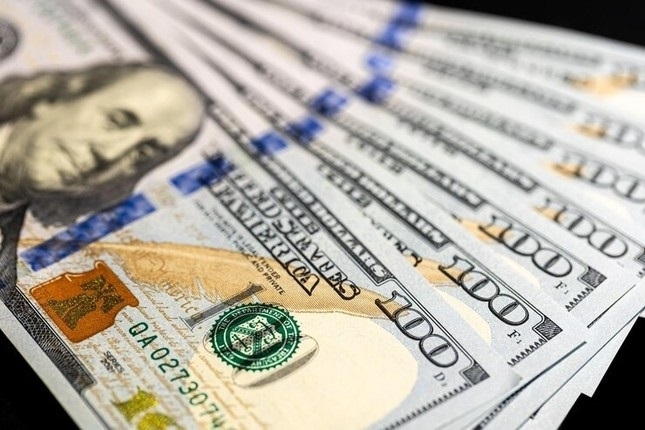
Dollar Index surged on the morning of March 23, reflecting a clear shift in global market sentiment as geopolitical risks escalate. The index, which measures the strength of the US dollar against a basket of six major currencies, rose more than 1% to 99.66 points, signaling a strong return of capital flows into traditional safe-haven assets.
This increase is not merely a short-term reaction but also highlights a broader defensive stance among investors as global economic stability becomes increasingly uncertain.
Middle East Escalation Drives Capital Toward USD
The primary catalyst behind the market movement is the rapidly intensifying conflict in the Middle East. After Donald Trump warned of potential attacks on Iran’s power grid, Tehran responded by threatening to target infrastructure in neighboring countries.
Tensions escalated further when Israel launched large-scale strikes on Tehran, while Saudi Arabia confirmed that two missiles had been fired toward Riyadh. This chain of events has raised fears of a broader regional conflict, triggering a wave of capital flight from risk assets.
In this context, the US dollar has reaffirmed its role as a global safe haven, attracting capital inflows and strengthening significantly.
Major Currencies Weaken Against the USD
The strength of the USD has placed pressure on other major currencies. The euro and British pound both declined, while commodity-linked currencies such as the Australian and New Zealand dollars also saw notable losses. More strikingly, the Japanese yen continued to weaken, with the exchange rate approaching the sensitive threshold of 160 JPY per USD.
In response, Atsushi Mimura warned about the risk of speculative activity spilling over from oil markets into foreign exchange markets, emphasizing that Japanese authorities stand ready to intervene if the yen continues to depreciate. This underscores how sensitive currency markets are to energy shocks and geopolitical instability.
Rising Oil Prices Impact Asian Financial Markets
According to Vishnu Varathan of Mizuho Bank, rising oil prices are putting significant pressure on risk assets across Asia, particularly in economies that rely heavily on energy imports. As energy costs climb, growth prospects weaken, leading to currency depreciation.
From another perspective, Rodrigo Catril of National Australia Bank noted that markets are increasingly favoring economies that can benefit from energy supply shocks, while those negatively impacted continue to face currency pressure. This divergence further reinforces the dominant position of the USD during periods of instability.
Global Monetary Policy Turns More Hawkish
Another key factor supporting the USD is the shift in monetary policy expectations. Previously, markets anticipated that the Federal Reserve would begin easing policy this year. However, with inflation risks returning alongside rising energy prices, the likelihood of rate cuts has become less certain.
At the same time, major central banks such as the European Central Bank and the Bank of England have maintained a cautious stance, while Japan has signaled the possibility of policy adjustments in the near future. According to Joseph Capurso of Commonwealth Bank, if markets continue to expect prolonged monetary tightening in the US, the USD will have further room to appreciate.
Rising Risks to the Global Economy
These developments are not only affecting financial markets but are also raising concerns about the global economic outlook. Fatih Birol, head of the International Energy Agency, warned that the current energy crisis could have more severe consequences than the oil shocks of the 1970s.
This warning reflects the growing risk of prolonged inflation, rising production costs, and disruptions to global energy supply chains—factors that could significantly slow economic recovery.
Global Financial Markets Under Pressure
The impact of these risks has quickly spread to equity and bond markets. Major Asian stock indices declined sharply, with Japan’s market dropping as much as 5% at one point, highlighting widespread investor anxiety.
At the same time, global bond markets have come under pressure as yields rise, particularly US 10-year Treasury yields, which are nearing their highest levels in eight months. This indicates expectations that interest rates may remain elevated for longer.
Impact on USD/VND Exchange Rate in Vietnam
In Vietnam, the strengthening USD has begun to exert pressure on the domestic exchange rate. On the morning of March 23, Vietcombank listed the USD selling price at 26,344 VND, reflecting a slight increase but clearly aligning with the broader upward trend of the dollar.
According to forecasts from United Overseas Bank, the USD is likely to remain strong in the first half of the year, placing continued pressure on the USD/VND exchange rate. This presents challenges for policymakers in balancing exchange rate stability with inflation control amid external uncertainties.
Outlook: Will the USD Continue to Rise?
In the short term, the trajectory of the USD will largely depend on the evolution of Middle East tensions, oil price movements, and the policy direction of the Federal Reserve. If these factors continue along their current path, the USD is likely to maintain its strength.
However, this strength comes with significant challenges for the global economy, particularly for emerging markets. For Vietnam, exchange rate pressure and imported inflation will be key issues to monitor closely in the coming months.

Bài Viết Liên Quan
The EU Sustainable Products Regulation Expands Traceability Requirements for Textile Businesses
Vietnam’s Textile Industry Faces Traceability and Circular Economy Requirements
Digital Product Passports: A New Shift for Europe’s Textile Industry
Textiles Enter the Circular Race: From Materials to Traceability
EU Green Regulations Pose New Challenges for Vietnam’s Textile and Garment Businesses
Digital Product Passports Expand Transparency Requirements for the Textile Industry
Bài Viết Cùng thể loại