
News
The Shipping Cost Shock from the Middle East and Its Ripple Effects on Global Commodity Prices
Mar
When Geopolitics Disrupts the Arteries of Global Trade
The latest escalation of tensions in the Middle East is creating a major shock to the global trade system. For decades, the region has been considered one of the most sensitive geopolitical areas in the world economy, largely because it hosts several strategic maritime routes that connect Asia, Europe, and Africa.
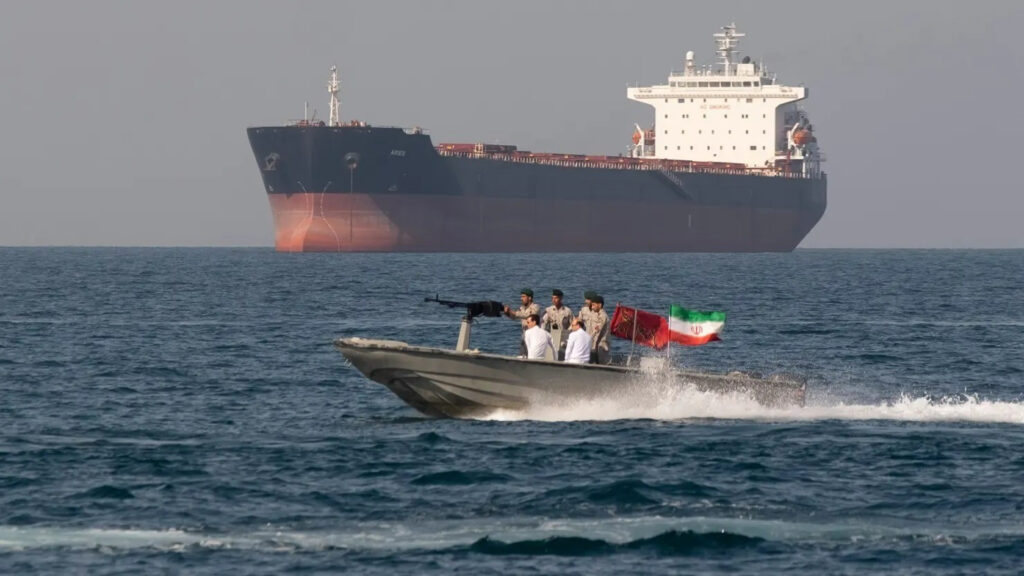
As military tensions intensify, key shipping corridors such as the Strait of Hormuz and surrounding maritime routes are beginning to face serious disruptions. Several major shipping companies have reduced activity, rerouted vessels, or temporarily halted operations through high-risk areas. At the same time, war-risk insurance premiums for vessels operating in the region have surged, driving maritime freight costs sharply higher in a short period of time.
These developments are raising concerns among economists and market analysts about a potential new wave of global commodity inflation. Maritime transport is not merely a separate service sector; it is the backbone of international trade. When shipping costs increase, nearly every category of goods—from energy and industrial metals to agricultural products and consumer goods—can feel the impact.
Rising Freight Costs and the Chain Reaction in Commodity Markets
Recent market data monitored across international financial platforms shows that maritime freight costs have climbed significantly in recent days. Charter rates for large crude carriers and bulk cargo ships have risen rapidly as vessels reroute or face delays while avoiding conflict zones.
Beyond security concerns, war-risk insurance has become a major financial burden for shipping companies. In the face of potential attacks or maritime disruptions, insurers have increased premiums dramatically for ships operating in Middle Eastern waters.
Fuel costs are another factor amplifying the pressure. When vessels must travel longer routes to bypass risky areas, fuel consumption rises substantially. This increases the cost of each shipment, which ultimately gets passed on to buyers through higher commodity prices.
As a result, disturbances in maritime logistics tend to spread quickly across global commodity markets.
Energy Markets Likely to Become the Epicenter of Volatility
In nearly every geopolitical crisis in the Middle East, energy markets are usually the first to react. The reason is clear: the region remains the world’s largest hub for oil and gas exports.
If maritime routes for oil shipments are disrupted or become significantly more expensive, crude oil prices often rise rapidly due to supply concerns. Even if production itself remains stable, transportation difficulties can reduce the effective flow of oil to global markets.
Higher oil prices can trigger a broader cost spiral across the world economy. Energy is a fundamental input for nearly every industry, from electricity generation and heavy manufacturing to transportation and logistics.
When energy prices rise, production costs increase across a wide range of sectors. These higher costs eventually feed into the prices of finished goods, affecting everything from food to industrial products.
Industrial Metals and Manufacturing Materials Under Pressure
Industrial metals are another group of commodities that may experience significant pressure from rising shipping costs.
Metals such as copper, aluminum, zinc, and iron ore are traded globally in enormous volumes. Major producing regions like Australia, Brazil, China, and parts of the Middle East rely heavily on long-distance maritime transport to move raw materials and semi-processed metals across continents.
As logistics costs increase, metal prices in consuming markets tend to rise as well. Buyers must pay more to compensate for higher transportation costs, while producers may reduce exports if shipping expenses begin to erode profit margins.
In some cases, disruptions to shipping can even lead to temporary supply shortages in certain regions, pushing prices higher than expected.
Agricultural Commodities Are Also Vulnerable
Energy and metals are not the only sectors affected by shipping disruptions. Agricultural commodities also depend heavily on maritime trade.
Grains, soybeans, vegetable oils, and other staple food products move across global markets from major exporters such as the United States, Brazil, and Ukraine to consumer markets in Asia, Africa, and the Middle East.
Higher freight costs can translate directly into higher global food prices, especially for countries that depend heavily on food imports.
At a time when many economies are still attempting to stabilize inflation following recent economic shocks, a new surge in food prices could create additional challenges for governments and central banks.
Moreover, rising transport costs can alter agricultural trade patterns. Countries may begin sourcing food from geographically closer suppliers in order to reduce freight expenses, gradually reshaping global agricultural trade flows.
Investor Sentiment and Market Reactions
Financial markets often react quickly to geopolitical risk, sometimes even faster than physical supply chains do.
When a conflict erupts in a region critical to global trade, investors tend to adjust asset prices to reflect potential disruptions.
This can drive commodity prices higher, particularly for assets considered safe-haven hedges during periods of instability, such as gold or oil.
Conversely, global equity markets may come under pressure if investors fear that rising production costs and higher energy prices could slow economic growth.
During such periods, market volatility tends to increase as psychological reactions combine with real economic changes in supply chains.
If Maritime Freight Costs Remain Elevated
The long-term economic consequences of the current shipping crisis will largely depend on how long geopolitical tensions persist.
If freight costs remain elevated only briefly, global commodity markets may absorb the shock relatively quickly. However, if shipping costs stay high for months or longer, the global economy could face more profound adjustments.
First, production costs across many industries would increase, including steelmaking, chemicals, automotive manufacturing, and electronics.
Second, inflationary pressures could re-emerge as commodity prices rise.
Third, international trade patterns could shift toward regionalization. Countries may attempt to build supply chains closer to home in order to reduce dependence on long maritime transport routes.
Such changes could reshape global trade structures that have been in place for decades.
A New Phase of Global Economic Uncertainty
More broadly, the current disruptions in maritime transport highlight how fragile the global trade system can be in the face of geopolitical shocks.
For many years, the global economy operated under the assumption that maritime transport would remain inexpensive and stable. However, recent crises—from the pandemic to geopolitical conflicts—have challenged that assumption.
If tensions in the Middle East continue, elevated shipping costs could become a structural factor in the global economy rather than a temporary disruption.
That shift would not only influence commodity prices but could also alter how countries organize production, supply chains, and international trade in the years ahead.
In this context, today’s surge in shipping costs may represent the early signal of a broader adjustment period for the global economic system.

Bài Viết Liên Quan
Australia Reviews Anti-Dumping Measures on Galvanized Steel: A Sign of Rising Trade Protection?
Middle East Conflict Boosts China’s Green Industry: Global Expert Perspectives
Industrial Metals Market Volatility: Aluminum, Copper, and Steel Prices Shaped by Geopolitics and Global Demand
Establishing Vietnam’s Carbon Market: A Strategic Step Toward a Green Economy and Global Integration
Global Steel Output Declines in February 2026: A Temporary Adjustment or the Start of a New Cycle?
Automakers Compete for Aluminum Supply Amid Rising Tensions in the Gulf Region: Global Supply Chains Under Pressure
Bài Viết Cùng thể loại
Middle East Conflict Boosts China’s Green Industry: Global Expert Perspectives
Industrial Metals Market Volatility: Aluminum, Copper, and Steel Prices Shaped by Geopolitics and Global Demand
Establishing Vietnam’s Carbon Market: A Strategic Step Toward a Green Economy and Global Integration
Automakers Compete for Aluminum Supply Amid Rising Tensions in the Gulf Region: Global Supply Chains Under Pressure
A New Milestone for Vietnam’s Agriculture: Piloting Pork Trading on the Commodity Exchange
Gold Prices Fall Amid Middle East Tensions: Economic Weakness in the U.S. and the Warning of Returning Inflation